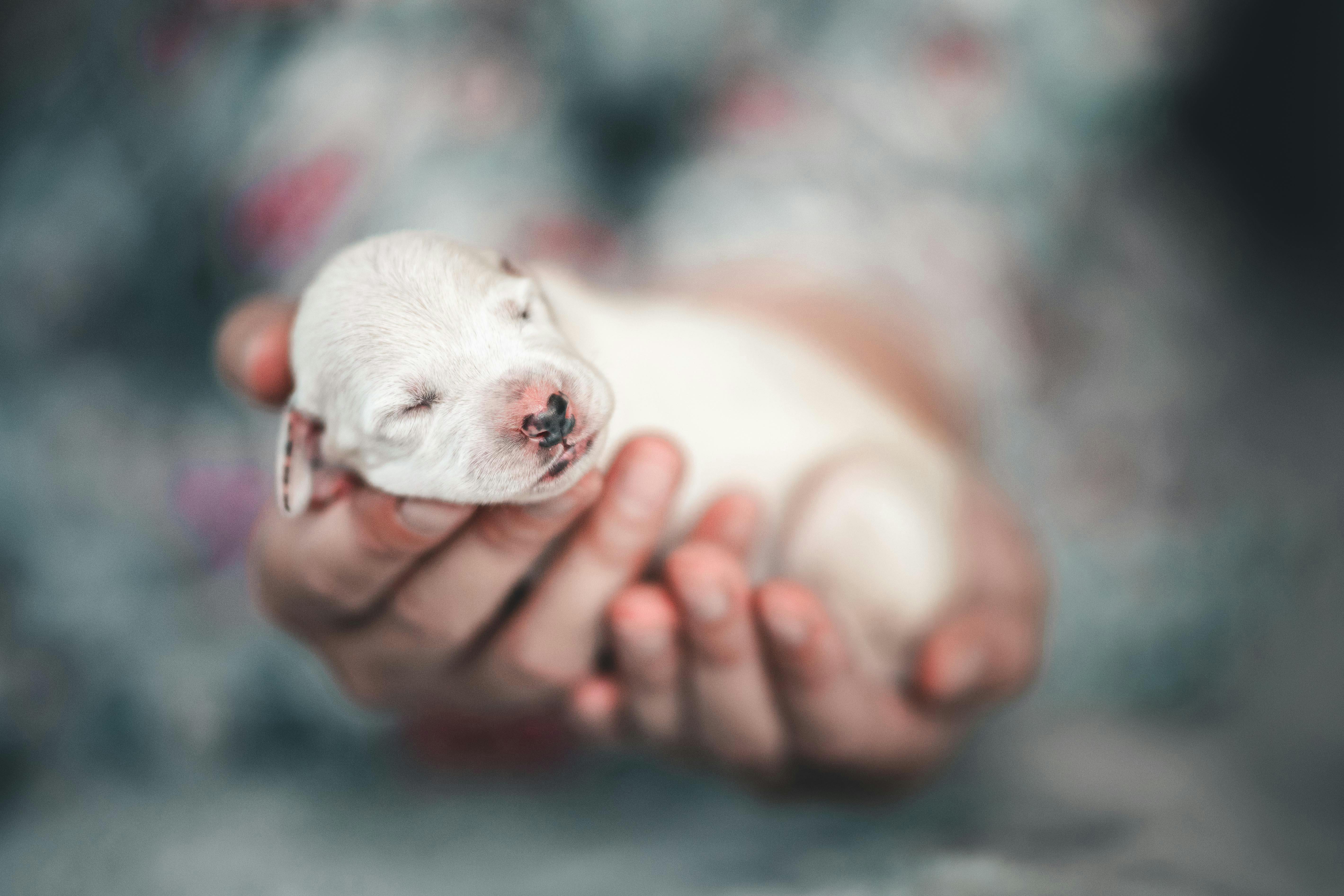
The deposit cleared. The litter is healthy. You are doing everything right with the animals.
Then week five rolls around and a buyer sends you a message you have seen before: "Hey, things have changed on our end. We need to back out."
You did not do anything wrong. You just did not do enough of anything visible. And in the absence of visible progress, buyers fill the silence with doubt.
This is the waitlist problem. It is not a character problem or a communication problem in the way most breeders think about it. It is a systems problem. And once you see it that way, it is solvable.
The Most Vulnerable Window in the Relationship
Think about the buyer experience from their side.
They hand you money. Real money, usually a few hundred to a few thousand dollars. In exchange they get a verbal promise and a Venmo confirmation. Then they go home and wait. No timeline. No milestone markers. No shared page showing the litter is growing on schedule. Just occasional texts if they are lucky, and silence if they are not.
The animal is not in their hands yet. Their investment is entirely abstract. They cannot see it, cannot hold it, cannot show it to anyone. All they can do is hope they made the right call.
That psychological state is fragile. Not because buyers are flaky, but because trust requires evidence. When the evidence stops coming, doubt fills the gap.
This is the window where breeders lose buyers. Not because anything went wrong with the litter. Because nothing was communicated about the litter.
What Buyers Actually Want During the Wait
It is not complicated. Buyers want three things.
Proof that things are moving. A photo at two weeks. A quick update when eyes open. A note when the vet check is scheduled. These are not elaborate updates. They are evidence that the process is real and on track. A single photo update does more for buyer confidence than a paragraph of reassurance.
Clear milestones. Buyers want to know what happens next and roughly when. Not because they are impatient but because uncertainty is exhausting. "They go home at eight weeks, and I will reach out around week six to confirm everything" is a complete sentence that eliminates two months of anxiety.
A way to check in without feeling like a burden. Most buyers will not contact you because they do not want to bother you. That restraint builds resentment quietly. A simple status page, even just a link you send with the deposit confirmation, gives them something to look at. They stop worrying. You stop getting pings.
None of this requires expensive software or hours of your time. It requires a consistent rhythm.
Why Breeders Let the Gap Happen
Most breeders are not ignoring their waitlist buyers on purpose. They are running out of time and attention at exactly the moment when buyer communication matters most.
The early weeks after a litter hits the ground are the busiest weeks you have. You are monitoring weights. You are handling vet checks. You are managing the dam. You are doing everything that actually keeps the animals alive and healthy. Sending a photo to twenty waitlist buyers is not the most urgent thing on the list.
The problem is that urgency and importance are not the same thing. Buyer communication is rarely urgent. It is almost always important. And in a schedule built around urgency, important-but-not-urgent tasks get deferred until they become problems.
A buyer who backs out at week six is expensive even when the deposit is non-refundable. That slot may sit empty because the rest of the waitlist has moved on or committed elsewhere. You passed on other buyers to hold that spot. You are now scrambling to place an animal weeks out from go-home. The whole chain falls apart because there was no system prompting you to send a two-minute update at week three.
What a System Looks Like
You do not need a platform to fix this. You need a template and a calendar.
The deposit confirmation template. Write it once. Every buyer gets it the same day their deposit clears. It covers the litter details, the expected pickup window, your contact information, and one sentence about when they will next hear from you. This message alone handles most of the "just checking in" texts you receive.
Three scheduled updates per litter. Around week two, week four, and one week before go-home. Each one is a photo and a status note. You can send the same message to your whole waitlist. It takes five minutes. Those three touchpoints cover the entire vulnerable window.
A written go-home confirmation. Sent around week six. Confirms the date, what to bring, what to expect at pickup, and any health records or documentation they will receive. Buyers who get this message almost never cancel. They are already imagining the day.
Start with that. Those three pieces will measurably reduce your refund rate and your inbox noise before you change a single tool.
When to Build Something More
If you are running two or more litters at a time, the manual version of this system starts to crack. Tracking who is at what stage, which buyers have received which updates, and who is next when a spot opens up is real cognitive load. Spreadsheets work until they do not.
A purpose-built system ties buyer records to specific litters. It logs deposit details. It can trigger reminder emails at the milestones you set. It gives each buyer a simple link where they can check the status without contacting you. When a buyer cancels, you know exactly which spot opened and who is next.
That is what I built into Breed Ledger for breeders managing records across species. For breeders who want a full website with inquiry management, deposit tracking, and waitlist communication built in from the start, that is the scope of the BBD Breeder Sales Platform.
The Real Cost of the Gap
Most puppy deposits are non-refundable, so when a buyer backs out you are not writing a check. But that does not make the situation free. It is a slot that may sit empty if the rest of your waitlist has already committed elsewhere. It is a litter placement scramble weeks out from go-home. It is a buyer who will not refer anyone. It is a review that says "communication was poor" next to your listing for years.
The deposit protects one transaction. It does not protect the next ten.
The waiting period is where trust compounds or decays. Buyers who feel seen during the wait become your best referral sources before they even pick up their animal. They tell their friends because they already had a great experience, and the puppy has not come home yet.
That is what a consistent system buys you. Not just fewer cancellations. Buyers who are already sold on you by the time pickup day arrives.
The gap between deposit and pickup is not an unavoidable cost of breeding. It is a systems problem. And systems problems have solutions.