Dog Breeder Website Design That Works
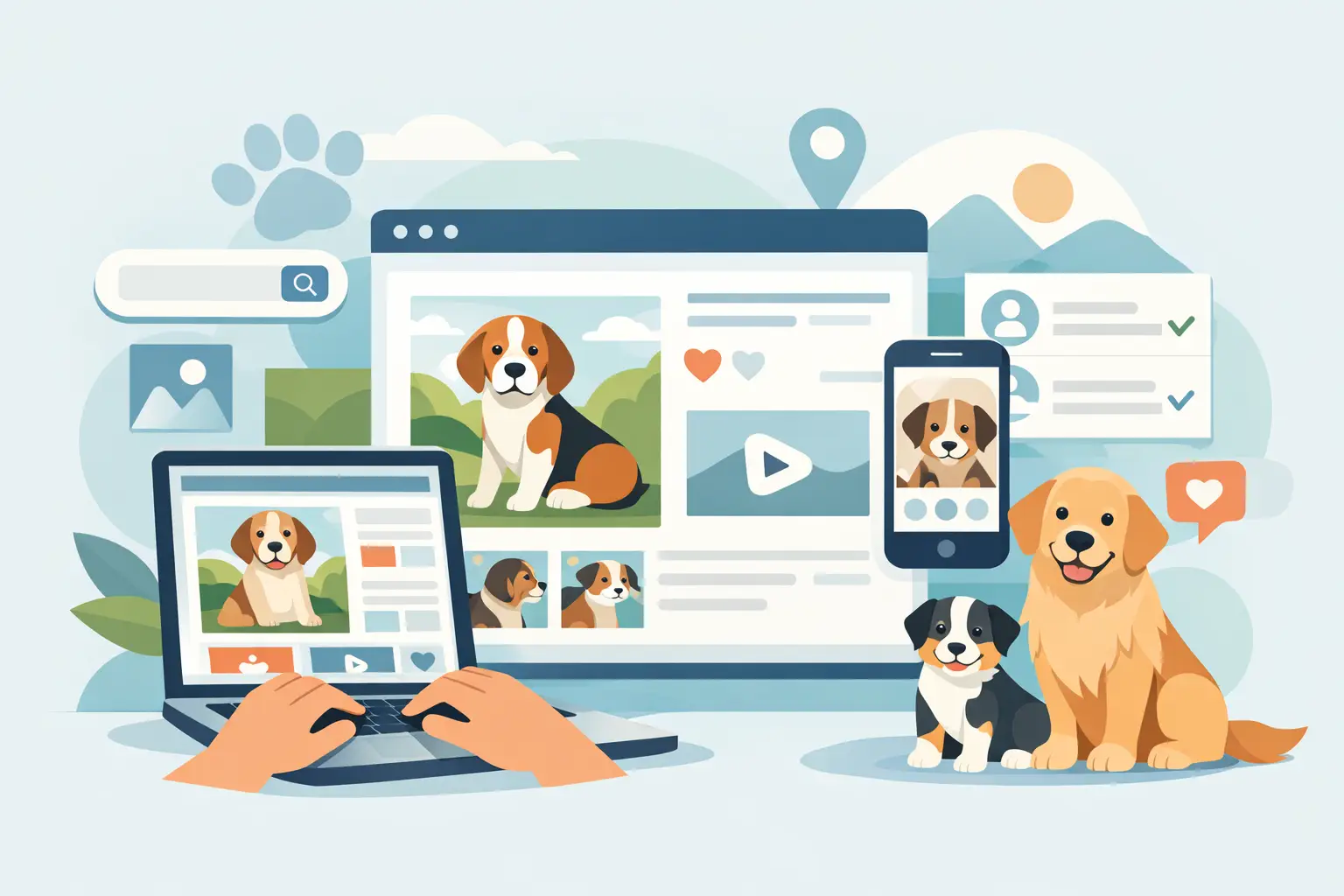
A pretty kennel website that sends every serious buyer into your inbox is not doing its job. If your current setup relies on scattered contact forms, manual follow-ups, and a lot of back-and-forth just to answer basic puppy questions, your dog breeder website design is creating work instead of removing it.
That is the difference most general web designers miss. They design for appearance first, then bolt on generic forms and hope it holds up. Breeders do not need a brochure site. They need a website that helps the right buyers find them, understand their program, submit useful inquiries, and move through a real process without turning daily operations into a mess.
What dog breeder website design is actually supposed to do
A breeder website has two jobs at the same time. It has to build trust with the public, and it has to support the way your program actually runs behind the scenes.
Those are connected. Buyers want to know whether your dogs are well bred, well raised, health tested, and represented honestly. You want fewer low-quality inquiries, less time answering the same questions, and a cleaner path from interest to deposit to placement. If the website handles only the first half, your team still pays for it in admin time.
Good dog breeder website design starts with breeder realities, not agency trends. That means available puppies change. Planned litters change. Waitlists open and close. Some buyers are a fit and some are not. Deposits have terms. Pedigrees matter. Photos matter. Health information matters. And most breeders do not have time to manually patch five disconnected tools together every week.
The biggest website mistakes breeders keep paying for
The most common problem is simple: the site looks fine, but it does not support the sales process. A homepage with a nice hero image and a short paragraph about your passion for the breed will not carry the workload. Buyers need a clear next step, and breeders need better intake than a vague contact form.
Another problem is outdated litter and puppy information. Nothing kills trust faster than a website that says puppies available when they are already placed, or a planned breeding page that has not been updated in months. That usually happens because the site is hard to edit, or because every update depends on a developer who does not understand the urgency.
Then there is the generic application funnel. Many breeders are still using basic website forms that collect a name, email, and open message box. That creates terrible screening. You end up manually asking about housing, experience, goals, location, timeline, and breed fit after the fact. The site should collect that up front in a way that reflects your actual buyer approval process.
The fourth issue is disconnected operations. Inquiry forms live in one place, deposits in another, records somewhere else, and litter updates in a folder on your phone. The website becomes one more isolated tool instead of the front door to a connected workflow.
What serious breeder websites need on the front end
The public-facing side of your website should answer the questions good buyers actually ask before they ever reach out. Not in fluff-heavy marketing copy, but in clear breeder language.
Your program pages should explain your priorities. That might include health testing, structure, working ability, temperament, puppy raising protocols, placement philosophy, or contract standards. The goal is not to say everything to everyone. It is to help the right buyer recognize your standards and help the wrong buyer self-select out.
Available and planned litter pages need to be structured, easy to update, and honest. Some breeders benefit from showing real-time availability. Others need a softer approach if most placements happen through approved lists. Either can work. The right setup depends on your volume, breed, and how much transparency you want before a buyer is screened.
Your dog pages matter more than most agencies realize. A sire or dam page is not filler content. It is part of how breeders, buyers, and referrals evaluate your program. Photos, titles, health results, pedigree context, and production notes all contribute to credibility.
Mobile design also matters more than breeders sometimes expect. A large share of inquiries come from phones. If your forms are clunky, your images load slowly, or your application process feels annoying on mobile, you lose good people before the first conversation starts.
Need help with your breeder website or software?
I build websites, records apps, and breeder tools for programs like yours. Tell me what you need and I'll help figure out the right next step.
The back end is where dog breeder website design earns its keep
This is where most websites fall apart. A breeder site should not just collect interest. It should move buyers into a process you can manage.
That usually starts with inquiry screening. Instead of a generic contact form, the site should ask the questions you already need answered. What are they looking for? Pet, performance, show, breeding, or working prospect? Do they own or rent? Have they had the breed before? When are they ready? Are they open to sex, color, or litter timing? Better intake gives you better conversations and less wasted follow-up.
From there, the website should support the next step. For some breeders that means applications. For others it means joining a waitlist, requesting a call, or submitting a deposit after approval. The right flow depends on how your program places dogs. There is no one perfect breeder funnel, and anyone selling one should be treated carefully.
Deposits are another weak spot in generic setups. Buyers want clarity about what the deposit means, whether it is refundable, what happens if timing changes, and where they stand in line. Breeders want fewer awkward payment threads and less manual tracking. If your website can connect deposit collection to your actual buyer pipeline, you remove a lot of friction.
The same goes for communication. If the site sends inquiry details into an organized system rather than a messy inbox, you can track status, follow up faster, and avoid losing serious homes in the shuffle. That is where custom infrastructure starts to separate itself from standard website work.
Why generic web agencies usually miss the mark
Most agencies can build a visually polished site. That is not the hard part. The hard part is understanding what a breeder website needs to do once someone clicks Apply, Ask About a Puppy, or Join the Waitlist.
A generalist hears dog breeder website design and thinks branding, photography, and maybe a contact page. A breeder-native builder thinks intake logic, litter status, pedigrees, deposit rules, buyer communication, record flow, and how public information should connect to real kennel operations.
That gap matters. If your developer does not understand the difference between an inquiry list and a waitlist, or why available puppy status changes fast, or how buyers evaluate a breeding program, you end up translating your business every step of the way. That costs money, slows projects down, and usually leads to compromises that do not hold up once the site is live.
What to prioritize if you are rebuilding your site
Start with the pressure points, not the design trends. If you are drowning in low-quality inquiries, fix intake first. If buyers constantly ask questions already answered on your website, fix your content structure. If your puppy updates are always stale, fix your editing workflow. If your deposits and applications are scattered across tools, fix the system behind the pages.
Design still matters, of course. Buyers make trust decisions quickly. Clean visuals, strong photos, readable layout, and consistent branding all help. But breeders usually get the best results when design supports process instead of replacing it.
This is also where phased work makes sense. Not every breeder needs a giant custom build on day one. Some need a site refresh with better inquiry handling. Some need a full rebuild with connected deposits, records, and litter management. Some need custom software because the business has outgrown pieced-together tools. The right answer depends on scale, breed, workflow complexity, and how much admin load you are carrying now.
Built By Dusty exists in that gap between a nice-looking site and a breeder system that actually works.
The standard for a breeder website should be higher
If your website is the first place buyers encounter your program, it should represent your standards accurately. If it is also where inquiries, approvals, deposits, and puppy interest begin, it should reduce chaos instead of adding to it.
That means dog breeder website design is not really about having a modern homepage. It is about building a site that respects how breeding programs operate in real life. That includes trust, screening, timing, records, and the fact that your day does not need one more manual process hidden behind a pretty layout.
The best breeder websites feel straightforward to buyers and controlled to the breeder. That balance is not accidental. It comes from building around the actual work.
The Breeder Newsletter
Get articles like this in your inbox. No spam, no fluff, just breeder business.
No spam. Unsubscribe anytime.