How to Spot a Reputable Breeder: What Actually Matters Across Species
The internet has no shortage of "how to find a reputable breeder" articles. Most of them list things like "ask to see the parents" and "make sure they have a website." Those tips will not filter out the operations they are trying to filter out. Marketing operations have nice websites. Backyard breeders will absolutely show you the parents, they just will not show you the dam who lives in the garage.
This post is the version a working breeder would write for a buyer who actually wants to know what separates a real program from one that looks like a real program. The signals work across species. The red flags work across species. The questions work across species. The answers reveal a lot about the operation behind them.
I am writing this from the breeder side. I have been in dogs since I was a kid, breed crested geckos in my own program, and built software that runs in production for working breeders. The patterns below are what I look for when I am evaluating another breeder, and they are what good buyers learn to look for too.
Reputable breeders, share this with anyone considering a placement from your program. Buyers, work the list and see what matches.
What a Reputable Breeder Actually Does
The criteria below are not aspirational. They are the baseline for a working program. If a breeder is missing more than two of these, you are likely looking at a marketing operation, not a preservation program.
They Health Test the Parents
This is the single most important signal across every species. The specific tests differ by species, but the principle is the same: the breeder is verifying that the animals they are breeding are free of the heritable conditions known to occur in the breed or line.
Dogs. OFA hip and elbow evaluations performed at 24 months or later. OFA eye certification within 12 months of breeding. DNA panels for breed-specific genetic conditions (degenerative myelopathy, exercise-induced collapse, progressive retinal atrophy, and dozens of others depending on the breed). Cardiac evaluation for breeds with cardiac risk. Thyroid panel for breeds with thyroid risk. Test results published or available on request through the OFA database, Pawprint Genetics, Embark, or similar.
Cats. Genetic panels appropriate to the breed (PKD for Persians and related breeds, HCM for Maine Coons and Ragdolls, PRA for Bengals and Abyssinians, GSD IV for Norwegian Forest Cats). FeLV and FIV testing on all breeding adults. TICA or CFA cattery registration where applicable.
Reptiles. This one is different. Most reptile species do not have formalized health testing the way dogs do. What you look for instead is documented husbandry, weight tracking from hatch through adulthood, parasitology checks for incoming animals, and quarantine protocols for new additions. For species with known recessive issues (some leopard gecko lines have neurological problems, some ball python morphs have neurological or fertility issues), the breeder should be able to discuss the specific concerns and how their lines have or have not been affected.
Horses and livestock. Conformation evaluation, breed-specific genetic panels (HYPP, HERDA, GBED, MH, PSSM in horses; numerous condition-specific panels in livestock), performance records, and registry-level health requirements where they exist.
The signal is not that a breeder ran one test. The signal is that the breeder can produce a current panel of test results for both parents on demand, and the results are appropriate to the breed or species.
They Prove Their Animals
Health testing tells you the animal is sound. Proving tells you the animal is good.
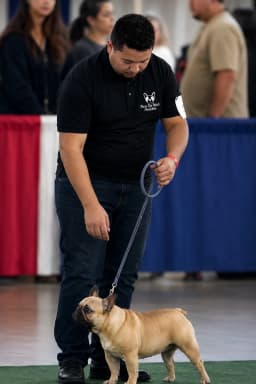
Dogs. Conformation championships in AKC, UKC, or international registries. Performance titles in agility, obedience, herding, hunt tests, lure coursing, scent work, or whatever discipline matches the breed's working purpose. Hunting titles for sporting breeds. Working titles like Schutzhund, IPO, or PSA for protection breeds. Companion titles like CGC and Therapy Dog certification for breeds where that matches the program's goals.
The point is not that every dog has to be a champion. The point is that the breeder is putting their animals in front of independent evaluators (judges, working trial judges, kennel club evaluators) who are not the breeder's friends and who have nothing to gain from a positive evaluation.
Cats. Cat fanciers' association titles, TICA Supreme Grand Champion, or specialty competition placement. Independent evaluation of breed type from judges who do not know the breeder.
Reptiles. Reptile breeding does not have a structured competition system the way dogs and cats do. The proving signal is different. Public, photographable holdbacks at known reptile expos (NARBC, the Tinley Park show, regional shows). Recognition in morph-specific communities for line work. Inclusion of the breeder's animals in foundation references for newer morphs. Long-term presence in the breed-specific Facebook groups, Discord servers, and online forums where the actual experts are paying attention.
Horses. Show records, performance records, race records, futurity placements, breed-specific milestones (NRCHA, NCHA, NRHA, racing, dressage, jumping). The breeder's animals (or their offspring) are placing in events where the judges are independent.
The reason proving matters is that breed type, working ability, and temperament are not visible in a photograph. They are visible across multiple evaluators making consistent assessments.
They Adhere to Breed or Species Standards
A reputable breeder is breeding for a specific written standard, not for whatever sells. The standard might be the AKC breed standard, the UKC standard, a specific working line's tradition, or a recognized morph standard in the reptile world. The breeder can articulate the standard, point to the animals in their program that meet it, and explain where current animals fall short and what they are working to improve.
The opposite of standard adherence is fad breeding. Fad breeding is producing whatever color, pattern, or extreme is selling at the moment, regardless of whether it represents a healthy expression of the breed or species. Merle French Bulldogs, isabella German Shepherds, exotic bullies, micro-bullies, designer hybrid mixes, certain extreme reptile patterns that come with neurological or vision issues, color pattern combinations bred for novelty rather than line consistency. These exist because they sell, not because they advance the breed or species.
Buyers who care about long-term health are not buying from fad operations. Reputable breeders are not running fad operations.
They Breed for Preservation, Not Production
Preservation breeders are producing animals to advance their line, their breed, or their species. Their goal is to leave the breed in better shape than they found it.
This shows up in concrete behaviors. They keep more animals than they sell. They place pet-quality animals on limited registration with a spay or neuter requirement. They have a holdback strategy and they actually keep the holdbacks rather than selling them when a high offer comes in. They attend breed-specific health surveys. They contribute to genetic databases. They mentor newer breeders in their breed.
Production-focused operations are running a different math. The output is the product. Holdbacks are rare because every animal sold is income. Breed standards are flexible if a different look sells better. Health testing is performed only on the dogs that test positive in marketing material.
The difference is not always obvious from a website. It is obvious from the questions a buyer asks the breeder, and the questions the breeder asks the buyer.
They Stand Behind Their Animals
Reputable breeders use written contracts. They have a health guarantee with a specific window and specific remedies. They have a return policy with a right of first refusal that says the animal comes back to the breeder if the buyer cannot keep it, ever. They will take an animal back at age four, age eight, or age twelve if it ends up in a situation where the placement is no longer working.
This is not optional for a reputable program. It is the baseline.
What the contract looks like, what should be in it, and where the holes show up are covered in the breeder contract kit and the contract series on this blog (puppy sales contract clauses, stud service agreement clauses, and puppy deposit agreements).
They Communicate Clearly and Consistently
A reputable breeder responds to inquiries within a reasonable window, asks the buyer questions before accepting a deposit, and provides regular updates through a placement. They keep records. They can pull up the lineage on a specific animal in their program in under five minutes. They know what their dam ate yesterday.
This sounds basic. It is the thing that filters out half the operations buyers consider.
The Red Flags
The list below is what to actively look for when you are evaluating a breeder. Any one of these is reason to be cautious. Two or more in combination is a sign to walk away.
They will not show you the breeding facility. A reputable breeder is proud of their facility and will give you a tour, in person or by video. A breeder who refuses to show their facility is hiding something. The most common thing they are hiding is the actual conditions the animals live in.
Money is the dominant theme of the conversation. When the breeder's first three messages are about price, deposit, and shipping logistics, and you have not yet been asked anything about your home or your experience with the breed, you are not in a placement conversation. You are in a sales conversation.
They cannot or will not prove lineage. A reputable breeder produces registration paperwork on demand. They show you the registered names, the registry numbers, and the multi-generation pedigree. A breeder who is vague about the parents, who refuses to show registration, or whose paperwork does not match the verbal claims is operating outside the registry system. There is sometimes a legitimate reason (some species have informal lineage tracking only). Most of the time, the absence of paperwork means the lineage is not what they say it is.
No health testing or vague health testing claims. "The parents are healthy" is not health testing. "We do all the recommended tests" without specifics is not health testing. Health testing is OFA numbers, DNA panel results, eye certifications, and dated documentation that you can verify independently. If the breeder cannot produce specific test results for both parents, the parents have not been tested.
Always has animals available. A working preservation program has limited output. They produce a small number of litters or clutches per year, they hold back what they need to keep, and they have waiting lists for the rest. A breeder who always has puppies, kittens, or animals available year-round is producing at volume, which means the program is structured around production, not preservation.
Multiple breeds or multiple species at scale. A program that is producing five different dog breeds, or twelve different reptile species, is not running a serious breeding operation in any one of them. There are exceptions for legitimate dual-breed programs run by experienced breeders, but the default assumption when you see a breeder advertising six unrelated breeds is that they are running a marketing operation, not a preservation program.
Ships before species-appropriate ages. Puppies and kittens should not leave the breeder before 8 weeks at the absolute earliest, with most reputable breeders holding until 9 to 12 weeks. Reptiles vary by species but most should not leave the breeder until they have established a feeding pattern (typically 4 to 8 weeks for crested geckos, 6 weeks or longer for ball pythons). Operations that ship at 6 weeks because the buyer wants the animal sooner are prioritizing the sale over the animal.
Won't take animals back. A breeder who will not commit in writing to a return policy is signaling that once the animal leaves their hands, they are no longer responsible for it. Reputable breeders use contracts that explicitly require buyers to contact them first if the placement does not work, with a right of first refusal that says the animal comes back to the breeder rather than going to a shelter or a third party.
Evasive about specific questions. When you ask about the temperament of the dam, the morph background of the sire, the clutch counts from the previous season, or any other specific question, the answer should be specific. Vague answers, deflection, or hostility in response to specific questions tell you the operation is not the kind of operation that keeps detailed records.
They are recommending themselves through fake reviews. Multiple recently created social accounts all praising the same operation in similar language is a pattern that shows up across breeds and species. Real testimonials are time-stamped, come from accounts with established history, and reference specific animals or specific events.
They sell to anyone who pays. Reputable breeders screen buyers. They ask about housing, experience, intended use, family situation, and existing pets. They turn down buyers whose situation is not a good fit. A breeder who accepts the first deposit that comes through without any vetting is not running a placement program. They are running a transaction.
Questions to Ask the Breeder
The questions below are the ones that produce the most informative answers. Reputable breeders welcome them. Marketing operations get evasive.
- Can I see the test results for both parents?
- What titles or accomplishments do the parents and their close relatives have?
- How many litters or clutches do you produce per year?
- What is your holdback strategy for this breeding?
- What does your contract include?
- What happens if I cannot keep the animal at any point in its life?
- Can you give me references from past placements?
- What questions do you have for me?
That last one matters more than people realize. If the breeder has no questions for you, they are not screening. If they have detailed questions about your housing, experience, and plans, they are.
Why This Matters
The animal you bring home is going to be part of your household for years. The breeder you buy from is the person who shaped what that animal is going to be like as an adult, who will be your resource if something goes wrong, and who will determine whether you have a healthy, well-tempered animal or a project.
The signals above are not abstract. They are what separates the buyers who end up with a great placement from the buyers who end up with a problem. Most of those problems are predictable from the screening conversation if you know what to ask.
Buyers, work the list. Reputable breeders, share this list with prospective placements as part of your own vetting. The good operations get more good buyers. The buyers get better placements. Everybody wins except the operations that should not be in business.
For Breeders Who Want to Be the Standard
If you are reading this from the breeder side and thinking through whether your own program clears the bar, the breeder contract kit covers the contract side of operating a reputable program. The breeder tools page has the free utilities that support transparent record-keeping. If your records are scattered across spreadsheets and you are running a serious program, ReptiDex handles the reptile side and Built By Dusty builds custom systems for the dog and cat side.
Built by a working breeder. For breeders. For the buyers who want to find them.