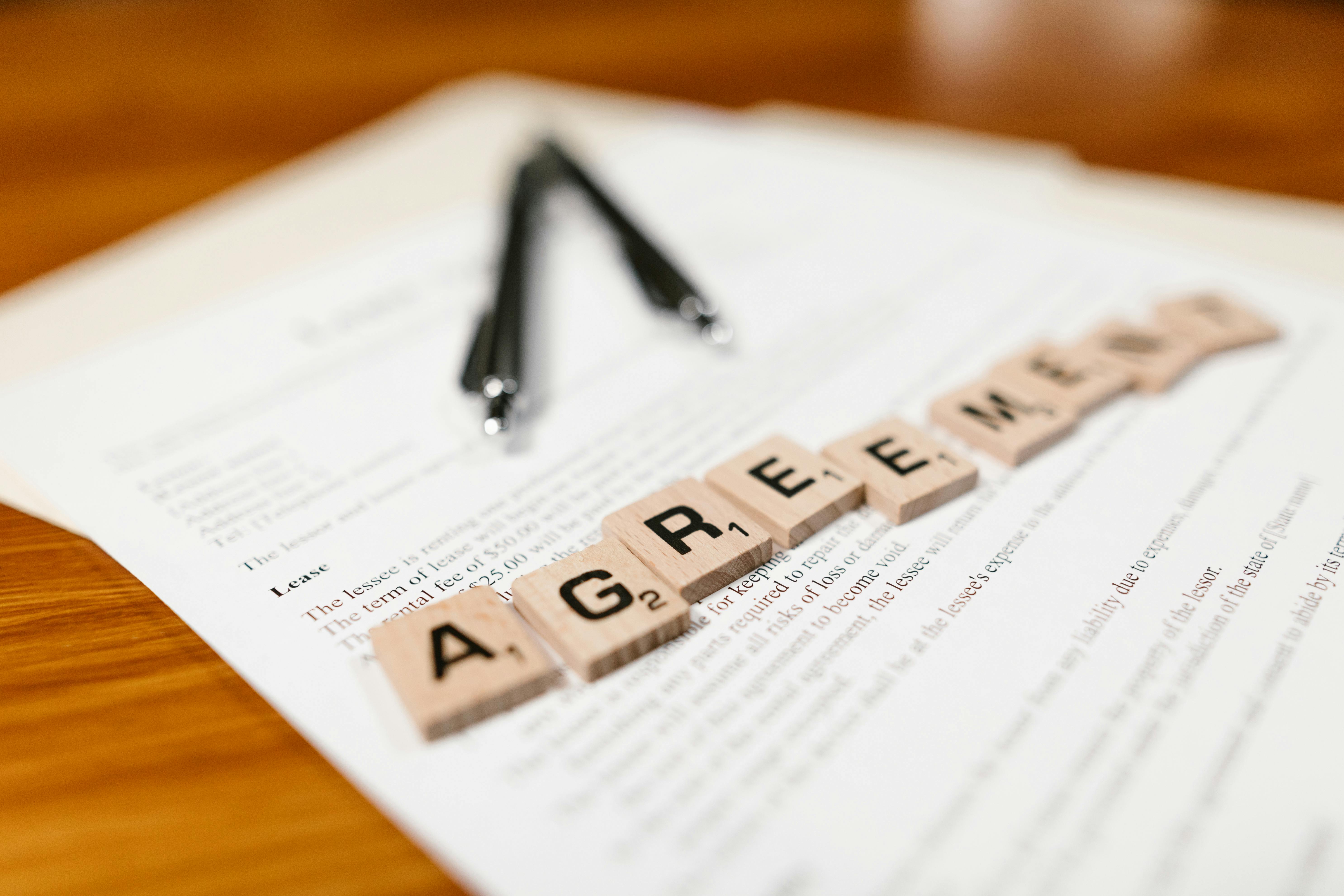
Puppy Deposit Agreements: What Breeders Need Before Taking Money
The deposit problem is the easiest one in breeding to fix and the one most breeders fix last. The pattern is the same every time. A buyer reaches out about a planned litter. They send Venmo. You text back that they are pick three on the summer breeding. Maybe you screenshot the conversation, maybe you do not. Twelve weeks later the litter is on the ground and you reach out to start arranging pickup. The buyer has gone quiet. Two weeks of unanswered messages later, they tell you they changed their mind and want their deposit back.
For the full walkthrough of what every breeder contract needs, see the breeder contract template post. This post covers the deposit-specific clauses in detail.
By then it is too late to write a deposit agreement. The puppy is eight weeks old and eating you out of house and home. Your other waitlist buyers have already placed elsewhere. The conversation about whether the deposit was refundable is happening in text messages neither of you saved properly.
This post is the deposit agreement clauses that prevent that conversation. The full template is in the Breeder Contract Kit. It pairs with the puppy sales contract piece and the stud service agreement piece from the last two weeks.
If you are reading this and your current deposit process is "buyer Venmos me and I add them to a spreadsheet," the system side of this problem is covered in the puppy waitlist software post. The contract side is covered here.
Who this is for: breeders who take deposits on planned or current litters. The deposit agreement is what protects the breeder, but it also protects the buyer. The buyer who actually wants this animal has zero objection to a clear written agreement. The buyer who would object is exactly the buyer you want filtered out before you take their money.
What a Deposit Agreement Has to Cover
A deposit agreement is short. It does five things. Each one of the five is the answer to a specific dispute that breeders run into without it.
1. What animal or litter the deposit is for. Sire, dam, expected litter window, sex preference, color or trait preference, anticipated price. This sounds basic and it is the section breeders skip because the conversation feels too obvious to write down.
The dispute it prevents: a buyer who paid a deposit for a litter that was supposed to come in March, the breeding did not take, you offered to roll their deposit forward to August, and now in November they are claiming they want a refund because they never agreed to the August litter. Write down what the deposit was actually for. Roll-forward terms get a separate written agreement.
2. The deposit amount and what it secures. Amount in dollars, payment method, date received. Position on the waitlist (pick three, second pick on a male, etc.). Whether pick order can shift based on litter composition.
The dispute it prevents: a buyer who paid a deposit nine months ago, did not see your update that they were now pick five because two earlier holdback decisions, and is messaging you on pick day expecting first pick.
3. Refund terms. This is the section that has to be unambiguous. Two structures are common.
Non-refundable, transferable. The deposit is non-refundable. If the buyer chooses not to take an available animal that meets the agreed reservation details, the deposit is forfeited. The deposit can be transferred to a future litter or clutch within a defined window (typically 12 months) with the breeder's written approval.
Refundable under specific conditions. The deposit is refundable only in specific situations: the planned breeding does not produce within an extended window, the breeder cancels, or some other defined trigger. In all other situations, non-refundable.
Pick one and write it down. The default in most state consumer protection law is that deposits are presumed refundable unless explicitly stated otherwise. Saying "deposits are non-refundable" verbally or in a Facebook message is not the same as a signed agreement.
4. What voids the deposit. Specific conditions under which the buyer forfeits the deposit and gets removed from the waitlist. Standard list:
- Buyer fails to respond to pick selection notification within 7 days
- Buyer materially changes the agreed-upon reservation details (sex, color, trait, price range) when an animal matching the original details is available
- Buyer refuses an animal that matches the agreed-upon reservation details for reasons not contemplated in the agreement
- Buyer becomes unreachable for more than 14 days following required communication
- Buyer engages in abusive, threatening, or harassing conduct toward the breeder or breeder's family
That last clause matters more than you would think. Breeders deal with buyers who turn aggressive when a litter does not produce what they wanted. The void clause for harassment is what gives you the legal cover to end the relationship without refunding.
5. What happens if the litter does not produce. The breeding does not take, the litter is small, or the litter does not include an animal matching the buyer's reservation details. The agreement should give the buyer a defined choice: roll the deposit forward to the next breeding involving the same sire or dam, move to the same pick position on a comparable upcoming litter, or refund in full. Specify how long the buyer has to choose (14 days is standard from notification).
The default in the absence of this clause is messy. Without it, the buyer can argue that "the litter did not produce" means automatic refund. The breeder can argue that the deposit was non-refundable regardless. Neither argument is wrong without the clause. Both are wrong in different states.
The Common Mistakes Breeders Make on Deposits
The deposit agreement is short but the failure modes are familiar.
Taking deposits before screening buyers. A deposit agreement is not a substitute for a buyer application. The breeders who treat the deposit as the buyer-qualification step end up with deposits from buyers who turn out to be wrong fits and refund fights they did not need to have. Screen first. Approve. Then take the deposit.
Using "non-refundable" without explaining what it means. "The deposit is non-refundable" is one sentence. "The deposit is non-refundable in any situation including but not limited to (specific list of situations)" is enforceable. Without specificity, courts in some states read in implied warranties of refundability that nullify the clause.
Not writing down pick order. Pick order is the single most common deposit dispute. "You said I was first pick" is the start of every Facebook post in every breed-specific group. Write down the pick order, the basis for it (deposit date, breeder discretion, holdback first), and the buyer's confirmation.
Treating deposits as oral agreements. Texts are better than nothing but worse than a signed PDF. A signed agreement does not require an attorney to draft for every deposit. It just requires a template you can fill in for each buyer. That is what the kit gives you.
No connection between the deposit and the eventual sales contract. The deposit agreement and the sales contract are separate documents with separate scopes. The deposit agreement covers the period before the sale. The sales contract covers the actual transfer. Make this clear in the deposit agreement: once pick is confirmed and balance is paid, both parties sign the breeder's standard sales contract, which controls the actual sale.
Need the agreement now? The Breeder Contract Kit includes the editable puppy deposit agreement plus 7 other breeder contracts. Get the kit, $59.
How the Deposit Agreement Filters Buyers
The deposit agreement is also a filter. The buyer who reads the agreement, understands the non-refundable terms, accepts the void conditions, and signs is showing you they are committed. The buyer who pushes back on every clause, asks if you will waive the non-refundable language, or refuses to sign is telling you something about the placement that is going to come up later.
Better to know that before they pay than after.
The breeders who run on text-message deposits and verbal agreements are not running on goodwill. They are running on luck. The luck holds until it does not, and when it does not, they spend a year explaining the situation to anyone who will listen on Facebook.
Get a Working Template
The deposit agreement that ships with the Breeder Contract Kit covers every clause in this post (amount, refundability conditions, chargeback language, timeline triggers). Plus 7 other breeder contracts (sales, breeding rights, co-ownership, guardian home, stud service, live arrival, reptile addendum). Editable .docx. $59.
Get the Breeder Contract Kit, $59.
If the deposit conversation is part of a bigger waitlist problem, the puppy waitlist software post covers the tools that hold deposits, positions, and buyer comms in one place.