Breeder Waitlist Software That Actually Fits
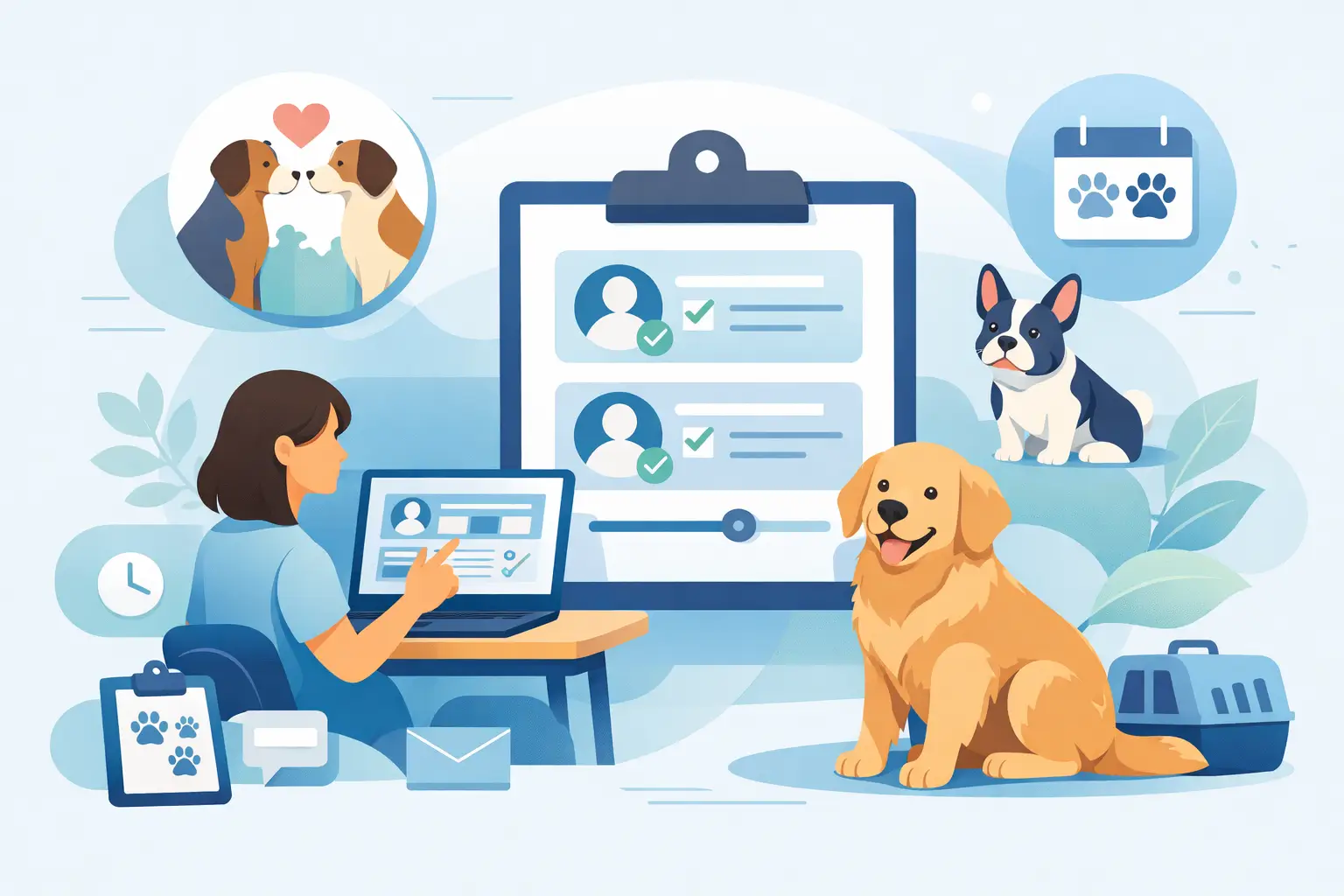
A full inbox does not mean you have a real waitlist. It usually means you have names scattered across email, DMs, text messages, form submissions, and notes you meant to clean up later. Good breeder waitlist software fixes that mess without forcing your program into a generic sales pipeline that clearly was not built for breeders.
This is where a lot of breeders get burned. They buy a form tool, a CRM, or some all-purpose kennel app that claims to handle inquiries, then realize it cannot manage screened buyers, litter preferences, deposit status, timing, pickup logistics, or the simple fact that breeding plans change. A waitlist is not just a list. It is part buyer management, part sales workflow, and part reputation management.
What breeder waitlist software should actually do
For a serious breeding program, waitlist software has one job: turn incoming interest into an organized, usable process. That means it needs to track who inquired, what they want, how qualified they are, where they are in your process, and what money has or has not changed hands.
That sounds obvious, but many tools stop at "collect names and emails." Breeders need more than that. You may be matching for sex, color, pairing, litter, pet versus show homes, co-own terms, shipping versus pickup, or timing windows that shift by months. If your system cannot reflect those variables, you are back in spreadsheet territory fast.
A useful system also has to support screening. Most breeders are not taking buyers in exact timestamp order with no judgment involved. You are evaluating fit, goals, communication, home type, breed experience, and whether the buyer is actually ready. Software should support that decision-making, not pretend every puppy or reptile sale works like concert tickets.
The real problem is not the list - it is the workflow
Most waitlist headaches start before the list itself. A buyer finds your website, sends an inquiry, asks if anything is available, maybe fills out an application, and then waits. You reply from your phone, flag the email, forget to update your spreadsheet, collect a deposit through a separate app, and now you have three records for one person with no clean source of truth.
That is not a waitlist problem. That is a disconnected workflow problem.
The strongest breeder waitlist software connects the front end and the back end. A prospect should be able to inquire through a proper form. You should be able to review them, assign status, record notes, request or log a deposit, and track where they belong in your pipeline. When a litter is confirmed or animals become available, you should know exactly who to contact first and why.
That connection matters because buyer trust is built in the gaps. People notice when communication is fast, when expectations are clear, and when your process feels intentional. They also notice when they have to re-explain what they wanted, ask whether you received their deposit, or wonder if they are even still on your list.
Why generic tools usually fall short
Generic CRMs are often overbuilt in the wrong places and underbuilt where breeders actually need detail. They are designed for sales reps, not breeding programs. They assume a fixed product, a standard pipeline, and a deal that closes once. Breeders are managing living animals, moving timelines, selective placements, and public trust.
A standard form builder has the opposite problem. It can collect data, but it usually cannot run the relationship after that. You end up exporting entries, copying notes by hand, and creating your own status logic in a spreadsheet. It works until volume increases or you have overlapping litters, multiple pairings, or a team member helping with communication.
Even some breeder-specific tools miss the mark because they treat waitlists as a side feature rather than a core operational system. If the software cannot connect inquiry records, deposits, animal availability, and buyer communication in one place, you are still stitching together a process with duct tape.
What to look for in breeder waitlist software
The right system depends on your program size, species, and sales model, but a few things matter almost every time.
First, it should capture structured inquiry data. Not just contact info, but the preferences and qualification details you actually use to make placement decisions. If you are manually reading long open-ended messages just to figure out whether someone wants a male from a future litter, your intake system needs work.
Second, it should let you assign and change status cleanly. New inquiry, screened, approved, deposit paid, waiting on a specific pairing, passed, matched, completed. Those labels may vary by program, but the movement between them should be obvious and easy to update.
Need help with your breeder website or software?
I build websites, records apps, and breeder tools for programs like yours. Tell me what you need and I'll help figure out the right next step.
Third, deposits need to be part of the workflow. That does not always mean the system itself has to be a payment processor. It does mean deposit records should live alongside the buyer record so you are not checking a separate app and hoping the names match.
Fourth, the software should reflect how breeders prioritize buyers. Some programs work strictly by deposit order. Others prioritize approved homes, breeding goals, returning buyers, or specific fit for a particular animal. A rigid first-come-first-served system can create more friction than clarity if it does not match how your program operates.
Fifth, communication history matters. You should be able to see what was sent, what was promised, and where the buyer last left off. That alone cuts down a lot of preventable confusion.
It depends on how your program sells
Not every breeder needs the same depth.
If you produce a small number of litters per year and keep your process selective, you may only need a tightly organized inquiry and approval system with deposit tracking. If you are managing multiple active litters, multiple species, or a high volume of inquiries, you likely need something more connected - especially if availability updates, buyer communication, and records all touch the same operation.
Breed clubs and registries have another layer entirely. Their version of waitlist software may need to support member directories, breeder referrals, litter announcements, or approved breeder pipelines rather than direct placement from one kennel. That is still the same core problem: who is interested, who qualifies, and what happens next.
This is why off-the-shelf software often feels close but not right. A system can be technically functional and still create daily friction because it was not built around your actual workflow.
Custom versus off-the-shelf
There is a real trade-off here. Off-the-shelf tools are faster to start with and usually cheaper upfront. If your needs are simple, that may be enough for a while. But breeders often hit a wall once they need their website, intake forms, deposit flow, and internal records to act like one system instead of four separate tools.
Custom breeder waitlist software costs more because it is built around how your program actually runs. The payoff is not just convenience. It is fewer missed leads, fewer admin mistakes, better buyer communication, and less time translating breeder logic into software that does not speak breeder.
That middle ground is where many programs should start: clean up the intake, centralize buyer records, and connect the critical steps first. Then build deeper once the bottlenecks are obvious. That is usually a smarter move than buying a giant platform full of features you will never use or patching together five cheap tools that create hidden labor.
Built By Dusty works in that exact gap - where breeder operations have outgrown forms and spreadsheets, but the generic software market still does not understand how breeders actually place animals.
Signs your current system is already costing you money
If you are not sure whether your waitlist process needs attention, look at the failure points. Are qualified buyers slipping through because replies are delayed? Are deposits hard to verify? Do people ask the same questions because your process is unclear? Are you manually rebuilding litter interest every time availability changes?
Those are not minor admin annoyances. They affect close rate, buyer confidence, and how professional your program looks from the outside.
There is also a less obvious cost: decision fatigue. When your information is scattered, every placement takes more energy than it should. You spend time searching, cross-checking, and trying to remember details that software should surface instantly. That drains time from the actual work of breeding and caring for animals.
The best software feels like your process got sharper
The goal is not to add "tech" to your breeding program. The goal is to remove friction from a process you already know well. Good breeder waitlist software should make your standards easier to maintain, not force you to lower them for the sake of convenience.
If a tool cannot handle screening logic, shifting timelines, deposits, and real buyer communication, it is not solving the actual problem. It is just giving the chaos a nicer interface.
A waitlist is where buyer interest turns into operational pressure. When the system is right, that pressure becomes clarity. You know who is qualified, who is committed, what they want, and what comes next. That is the point where software stops being another thing to manage and starts pulling its weight.
The Breeder Newsletter
Get articles like this in your inbox. No spam, no fluff, just breeder business.
No spam. Unsubscribe anytime.