Dog Pedigree Tracking Software That Fits
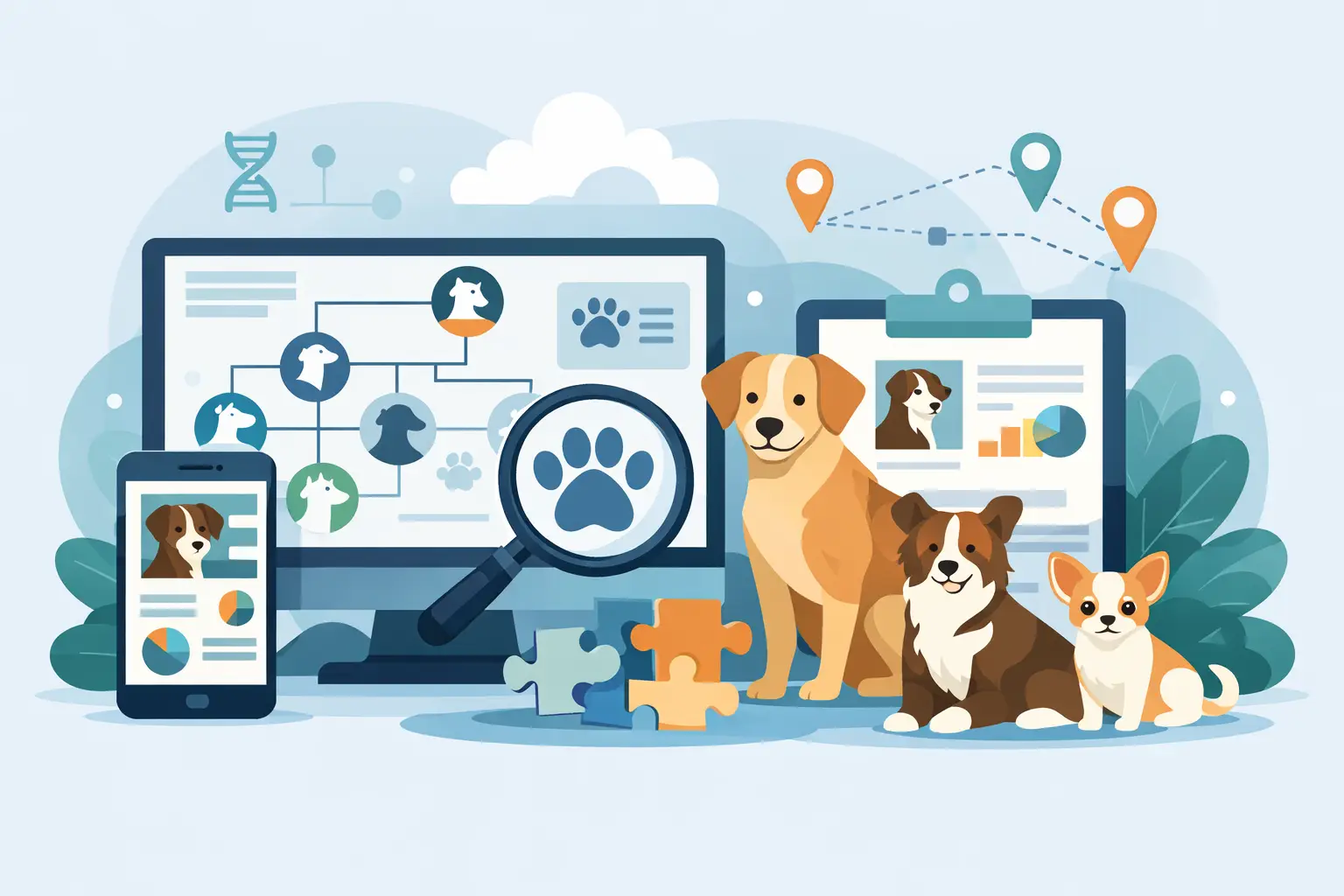
If you have ever rebuilt a five-generation pedigree from old PDFs, text threads, and a half-updated spreadsheet the night before opening deposits, you already know the problem. Dog pedigree tracking software is not just about keeping a family tree on file. It is about keeping your breeding program usable, credible, and manageable when real work starts stacking up.
A lot of breeders are still piecing this together with generic tools. One app holds health notes, another holds buyer messages, and pedigrees live in a folder that only makes sense to the person who built it. That setup can limp along when you have a small program and a good memory. It breaks down fast once you are tracking multiple litters, retaining prospects, planning pairings, answering buyer questions, and trying to keep your records clean enough to support the reputation you have built.
What dog pedigree tracking software should actually solve
At a basic level, pedigree software should map lineage accurately. That part is obvious. The bigger question is whether it reflects how breeders actually work.
A pedigree does not live in isolation. It connects to health testing, titles, color data, breeding history, registration details, litter records, ownership changes, and future planning. If your software treats pedigree as a static chart instead of the center of your animal records, you are still doing manual cleanup somewhere else.
That is where many off-the-shelf tools miss the mark. They can display ancestry, but they do not handle the rest of the workflow well. You end up entering the same dog three times across separate systems, fixing naming mismatches, and trying to reconcile records when a buyer asks for documentation or when you need to review a line before making a breeding decision.
Good pedigree tracking software reduces repeat entry, makes lineage easy to verify, and keeps related records tied to the same animal profile. It should help you move faster without making your program feel flattened into generic pet software.
The difference between a chart and an operating system
This is where breeders get sold the wrong thing. A pedigree chart is not the same as a breeder management system, and a breeder management system is not automatically good at pedigrees.
Some tools are basically digital family trees. They are useful for reference, especially if you want a clean visual record of ancestry. But they may fall short when you need to log litters, track retained puppies, record breeding outcomes, manage buyer-facing animal details, or maintain records across years of program growth.
Other systems try to do everything but handle pedigree logic poorly. They force awkward workarounds, do not support breeder-specific fields, or make lineage data feel bolted on. That creates a different kind of mess. Your records technically exist, but they are not reliable enough to run decisions from.
The better approach is software that treats pedigree tracking as one part of a connected breeder workflow. The dog record should feed the pedigree, and the pedigree should feed planning, sales, and documentation. If those pieces are disconnected, the software may look organized while still costing you time.
What to look for in dog pedigree tracking software
If you are evaluating systems, start with the daily use case, not the feature list. Fancy screenshots do not matter if the software adds friction every time you update a dog record.
The first thing to look at is data structure. Can one dog profile hold the information you actually need, including call name, registered name, sex, date of birth, color, health records, titles, sire, dam, breeder, owner, and status in your program? If those fields are missing or inflexible, your team will start keeping side records again.
Next, check whether the pedigree is dynamic. When you update a parent record, does the pedigree reflect that cleanly? Can you view multiple generations without rebuilding the chart by hand? Can retained puppies move into your active records without duplicate entry? Those details matter more than glossy design.
You also want to think about search and filtering. Once your program has depth, finding a dog by registered name alone is not enough. You may need to search by litter, line, title, color, ownership status, or breeding eligibility. If the software cannot surface information quickly, it becomes archive storage instead of a working tool.
Then there is reporting. Buyers, co-owners, and registries often need documents that pull from pedigree-connected data. Health records, registration details, litter information, and lineage should not require a manual assembly process every time. The more your records can produce usable outputs, the less admin work you carry.
Need help with your breeder website or software?
I build websites, records apps, and breeder tools for programs like yours. Tell me what you need and I'll help figure out the right next step.
Why generic tools keep creating kennel chaos
Breeders often start with what is cheap and available. That makes sense early on. A spreadsheet is easy. A form builder is easy. A shared drive feels manageable.
The problem is not that those tools are bad in general. The problem is that they were not built around breeding operations. They do not understand sire and dam relationships. They do not understand retained puppy tracking, litter-to-adult record continuity, or the fact that public-facing listings and internal records often need to reference the same dog differently.
So the workaround culture begins. One breeder knows where the real file is. Another uses a separate naming format. Someone exports a pedigree as a PDF and stores it in a folder that never gets updated. Later, a buyer asks a simple question about lineage, and now the answer depends on which version of the record is most current.
That is not just annoying. It affects trust. Serious buyers notice when records are inconsistent. So do clubs, partners, and anyone helping run a larger program.
Pedigree software should support decisions, not just documentation
The best dog pedigree tracking software does more than preserve history. It helps you make better decisions going forward.
That includes reviewing lines before planned breedings, comparing related dogs across generations, checking for gaps in health data, and seeing how past pairings connect to current prospects in your program. If the system only stores information after the fact, you are missing half the value.
This is also where custom versus off-the-shelf becomes a real question. Some breeders need a clean, dependable pedigree and records setup. Others need something more specific, especially if they are managing volume, multiple owners, long waitlists, or breeder-run registry workflows. There is no prize for forcing a generic product to do a custom job. Sometimes the right move is a better setup. Sometimes it is a system built around how your kennel already operates.
Built By Dusty works in that gap a lot - where breeders are no longer asking whether software matters, but whether the software they have actually matches the work.
When your program outgrows basic pedigree tools
There is usually a tipping point. You start retaining more dogs, keeping more detailed records, or coordinating with more buyers and partners. Suddenly the pedigree is tied to deposits, application approvals, litter pages, contract records, and internal planning. At that point, a stand-alone pedigree tool can become one more disconnected app.
That does not mean every breeder needs a massive custom platform. It means you should be honest about complexity. If your records have to move between your website, your inquiry process, your litter management, and your kennel data, the software should support that movement instead of creating more copy-and-paste work.
A smaller program may do well with a focused tool that handles pedigree and core records cleanly. A larger or more established operation may need pedigree data connected to public listings, buyer communications, and program management. The right answer depends on how your business runs, not on what a software company says is standard.
A practical way to evaluate your current setup
Ask yourself one simple question: if you had to verify the lineage, health context, and status of any dog in your program in under two minutes, could you do it confidently?
If the answer is no, you do not have a pedigree system. You have scattered information.
That does not mean you need to scrap everything tomorrow. But it does mean your next software decision should be based on operational fit. Look at where records get duplicated, where pedigree data breaks away from the dog profile, and where buyer or registry requests still trigger manual cleanup. Those are not minor inconveniences. They are signs that your software is making your program harder to run.
The right system should feel like it understands breeding from the inside. It should reduce admin drag, protect data accuracy, and give you cleaner control over the records that support your decisions and your reputation.
If your pedigree data still lives in a patchwork of files and memory, that is usually the clearest signal of all. The problem is not that you need to work harder at recordkeeping. The problem is that your software should finally start pulling its weight.
The Breeder Newsletter
Get articles like this in your inbox. No spam, no fluff, just breeder business.
No spam. Unsubscribe anytime.