I built my own e-commerce site to sell my crested geckos instead of relying only on MorphMarket and Facebook. Not because those platforms are bad. They're not. MorphMarket is excellent for visibility and Facebook groups are where a huge portion of the reptile community lives. I built my own site because I wanted to control the entire buyer experience from the moment someone discovers my program to the moment they have an animal in hand.
I designed, built, and used the platform to run my breeding operation. It handled listings, deposits, holds, genetics data, and buyer communication. That technology has since evolved into ReptiDex and Breed Ledger. Building it taught me things about selling animals online that I wouldn't have learned any other way, because the lessons didn't come from theory or marketing blogs. They came from watching real buyer behavior on a platform I could see every metric for.
Here are the four biggest things I learned.
Buyers want to see the parents, not just the animal
This was the first thing that became obvious. Every serious buyer asks about lineage. Who are the parents? What do they look like? What genetics are they carrying? What have their previous offspring looked like?
On a marketplace listing, you're limited to what fits in a description box. You can type out the parent information, but there's no good way to show it. A wall of text listing "Sire: Americano, D-098, Black Base Tri-Color Harlequin Snowflake" doesn't land the same way as a photo of Americano next to his full genetic breakdown and a gallery of his previous offspring.
On my own site, every animal's listing page includes the sire and dam with photos, genetics data, and breeding history. A buyer can click through to the parent's page and see everything about that animal without leaving the site. They can look at siblings from previous clutches. They can trace lineage back multiple generations if I have the data.
This changes the buyer's experience from "here's a gecko for sale" to "here's a gecko from a documented program with depth." That shift is what moves a buyer from browsing to committing. It's also what justifies higher prices. When a buyer can see the parents, the grandparents, and the track record of a pairing, they understand why an animal is priced the way it is. The lineage becomes part of the value proposition, not just a footnote.
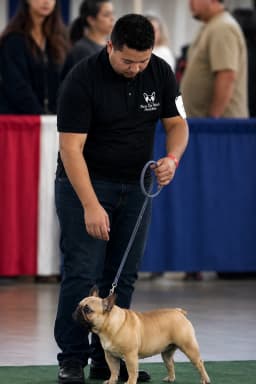
Dog breeders have understood this for decades. Pedigrees, OFA results, show titles on the parents and grandparents. It's all part of the sales conversation. Reptile breeders and exotic breeders are catching up, but the infrastructure to present this information professionally is still lacking for most programs. That's exactly the gap I built my own platform to fill, and it's why I later built ReptiDex to bring that same depth to every breeder.
A waitlist creates more urgency than a "buy now" button
This one surprised me. I expected that making it easy to buy immediately would be the key to fast sales. What I found was the opposite. A waitlist form on my site consistently moved animals faster than an open "buy now" option.
The psychology is straightforward. When a buyer sees that other people are already in line for upcoming clutches, it signals demand. Your program feels sought-after. The buyer's decision shifts from "should I buy this?" to "can I secure a spot before they're gone?" That's a fundamentally different conversation.
A simple waitlist also filters for serious buyers. Someone who fills out a waitlist form with their name, email, what they're looking for, and their experience level is a real prospect. They've invested effort. Compare that to the flood of "how much?" DMs on Facebook where half the people never respond to your reply.
The waitlist also gives you control over the sales process. Instead of first-come-first-served chaos in a Facebook comment thread, you have an organized list of interested buyers you can reach out to when animals become available. You can match the right animal to the right buyer. You can prioritize experienced keepers for breeding-quality animals. You set the pace.
I've had buyers commit to a deposit faster after being on a waitlist than I ever saw with open marketplace listings. The waitlist created a sense of scarcity that was real, not manufactured. If you have more interested buyers than available animals (and if your program is good, you should), a waitlist is the right tool.
Having your own site means you control your brand
On MorphMarket or Facebook, you're one listing among thousands. Your animals are displayed in the same format as everyone else's, with the same layout, the same fonts, the same structure. The only thing that differentiates you is the photos and the price. Your brand is invisible.
On your own site, everything reinforces who you are as a breeder. The design, the photography style, the way you write your descriptions, the about page that tells your story, the logo, the colors. All of it builds an impression that a marketplace can never deliver.
This matters because buyers remember breeders who looked professional. When someone is researching programs across multiple breeders, they're comparing experiences, not just animals. The breeder with a polished site, clear information, and a professional presentation sticks in the buyer's mind. The breeder with a Facebook page and a phone number doesn't.
Your own site also lets you control the narrative around your program. On a marketplace, you're defined by what the platform allows you to say. On your own site, you decide what information is important, how it's organized, and what story it tells. You can feature your best pairings front and center. You can write about your breeding philosophy. You can show photos and videos that wouldn't fit in a marketplace listing. You can build an experience that feels like visiting your program, not scrolling a classified ad.
I've seen this play out in the dog world too. The kennels that invest in a real website with a professional design, a clear breeding philosophy page, and well-photographed dogs consistently command higher prices and attract better buyers than kennels that rely only on social media. The animals might be comparable. The presentation isn't.
Your own platform gives you a direct line to buyers
This is the one most breeders don't think about until it's too late. Marketplaces own the relationship between you and the buyer. When someone finds your animal on MorphMarket, MorphMarket is the intermediary. When someone inquires through a Facebook post, Facebook controls that communication channel.
If the platform changes its rules, raises its fees, updates its algorithm, or goes down entirely, you lose access to your audience overnight. You don't own those buyer relationships. The platform does.
A contact form, an email list, or a waitlist on your own site changes that equation. Every buyer who interacts with your site directly is someone you can reach again. Not because an algorithm decided to show your post in their feed. Not because a marketplace kept your listing visible. Because you have their information and they have yours.
This isn't about abandoning marketplaces. I still use them. They're excellent for discovery and they bring in buyers who would never have found my site on their own. But the marketplace is the top of the funnel, not the whole funnel. The goal is to move interested buyers from the marketplace to your own platform where you control the experience and the relationship.
Build an email list. Even a simple one. Every buyer who purchases from you, every person who fills out your waitlist, every inquiry you receive through your contact form is someone you can notify when new animals become available. That list is an asset no platform can take away from you. Over time, it becomes more valuable than any marketplace listing because the people on it have already expressed interest in your specific program.
Where this all connects
These four lessons aren't separate ideas. They're parts of the same shift: moving from reactive selling (posting animals and hoping the right buyer finds them) to proactive selling (building an experience that turns browsers into committed buyers before the first conversation).
You don't need to build your own platform from scratch like I did. But you do need a home base online that you own and control, even if it's a simple site with an about page, an available animals page, a contact form, and a waitlist. Use the marketplaces for reach. Use social media for visibility. But send people back to your own site for the conversion.
The breeders who build this infrastructure now, while the bar is still low, are the ones who will have the strongest buyer relationships and the most resilient businesses in five years. If you want to talk about what this could look like for your program, I'm always up for the conversation. I build custom sales platforms for breeders based on what I learned running my own.