How to Organize Breeder Inquiries
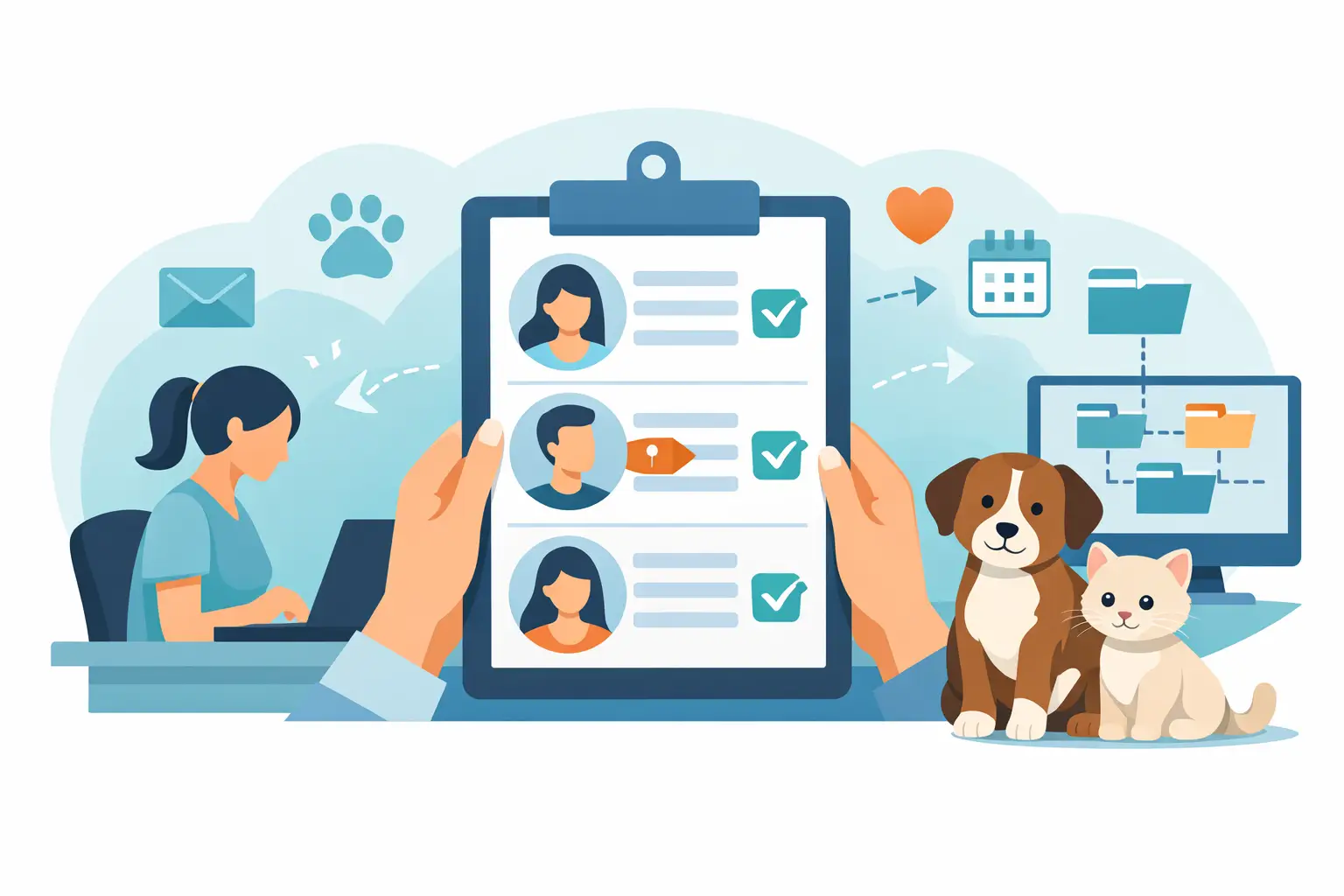
Most breeders do not have an inquiry problem. They have a sorting problem.
If you're getting emails, texts, Facebook messages, form submissions, and late-night "is he still available?" DMs from five different places, the issue is not demand. The issue is that nobody built your inquiry flow around how breeders actually work. That is exactly why learning how to organize breeder inquiries matters. It protects your time, helps you screen better homes, and keeps good buyers from slipping through the cracks because their message got buried under twenty casual price shoppers.
A messy inquiry process creates more damage than most breeders realize. It slows down replies, makes waitlists unreliable, and forces you to re-read the same conversations just to remember who wanted a male, who asked about breeding rights, and who was ready to place a deposit. It also affects buyer trust. Serious homes notice when communication feels scattered.
Why breeder inquiries get messy so fast
Breeder inquiries are not simple leads. They are layered conversations tied to timing, litter plans, availability, screening, contracts, deposits, and sometimes years-long relationships. A pet buyer asking about a current litter is not the same as a repeat client waiting for specific lines, and neither one should be handled the same way as a fellow breeder asking about co-ownership terms.
Generic contact forms and inboxes flatten all of that. They treat every inquiry like a basic business lead, when breeder communication is more like a pipeline with branches. Some people are a fit but not for this litter. Some are ready now but not approved yet. Some need education. Some are not a match at all and should be filtered out early.
If your current system is "I keep most of it in my email and try to remember the rest," you are already operating on memory instead of process. That works at low volume. It breaks the minute your program grows, a popular pairing gets announced, or a puppy goes viral on social.
How to organize breeder inquiries without losing your mind
The cleanest system is not the fanciest one. It is the one that captures every inquiry in one place, tags it correctly, and tells you what needs to happen next.
Start by deciding where all inquiries should land. That might be a website inquiry form feeding a dedicated system, not your personal inbox, and definitely not a mix of DMs, text threads, and paper notes. You can still receive messages in different channels, but they need to be moved into one master workflow quickly. If the record of the buyer lives everywhere, then it really lives nowhere.
Next, separate inquiries by stage instead of by platform. A breeder-friendly inquiry system usually needs categories like new inquiry, screened, approved, waiting for litter, matched, deposit received, not a fit, and closed. Those labels matter more than whether the first message came through Facebook or your website. The source is useful. The stage is operationally critical.
That is the first real shift when you figure out how to organize breeder inquiries - stop treating messages like conversations only, and start treating them like records tied to decisions.
Build your screening into the front end
A lot of inbox chaos starts before the first reply. If your form only asks for name, email, and "message," you are creating extra admin work for yourself on purpose.
Your inquiry form should collect the basics you actually use to evaluate fit. For dog breeders, that often includes location, preferred sex, timing, experience with the breed, household details, goals for the dog, whether they want breeding rights, and how they heard about you. Reptile breeders may need different filters, but the principle is the same. Ask for the information that determines next steps.
There is a balance here. Too short, and you get low-quality inquiries with no context. Too long, and good buyers abandon the form. Most breeders do best with a form that screens seriously without turning into a job application on first contact.
Use statuses, not memory
Every inquiry should have a visible status. Not "I think I replied to her." Not "I remember that family from a few months ago." An actual status.
This is where most breeders save the most time. Once statuses are in place, your day changes from hunting through messages to checking a queue. Who is waiting on a response? Who is approved but unmatched? Who received a contract and has not submitted a deposit? Who asked for updates but is not a fit for the current litter?
Statuses also help when life gets busy. If you are whelping a litter, traveling to a show, handling hatchlings, or just trying to get chores done, a good status system lets you pick back up without rebuilding the whole context from scratch.
The categories that actually matter
You do not need fifty custom labels. You need a handful that reflect real breeder decisions.
Need help with your breeder website or software?
I build websites, records apps, and breeder tools for programs like yours. Tell me what you need and I'll help figure out the right next step.
At minimum, most programs should track inquiry type, buyer intent, current stage, animal preferences, and follow-up date. Inquiry type might be pet home, show prospect, breeder home, stud service, or general question. Buyer intent matters because a pet-only home should not move through the same workflow as someone requesting full rights. Current stage tells you what happens next. Preferences keep you from mismatching people later. Follow-up date prevents silent drop-off.
If you only add one thing to your current process, add the follow-up date. That single field catches a surprising amount of lost revenue and lost trust.
Keep notes where they belong
Breeders often store critical buyer details in the wrong place. They leave them in email chains, text screenshots, sticky notes, or their own head.
Notes should live inside the inquiry record. If a family wants a calmer temperament, has small children, is waiting for a red female, or is not ready until fall, that information should be attached to their profile. The same goes for red flags. If someone has changed stories, ignored your policies, or pushed back on your screening process, that belongs in the record too.
This is not about being harsh. It is about preserving context so you can make good placement decisions later.
Response speed matters, but consistency matters more
A lot of breeders feel pressure to reply instantly. That is understandable, but speed alone does not fix a broken system. Fast replies from a chaotic inbox still produce missed follow-ups, duplicate conversations, and confusion around who was promised what.
A better goal is controlled responsiveness. Set a clear reply rhythm you can actually maintain. Maybe new inquiries get an initial response within one business day. Maybe approved homes get priority updates when litters are confirmed. Maybe unqualified inquiries receive a polite decline template so they are closed cleanly instead of floating in limbo.
Templates help here, as long as they are used carefully. You do not want robotic communication, especially in breeding where trust is personal. But you also do not need to rewrite the same explanation about deposits, waitlists, or breeding rights twenty times a month. Save the repeatable parts, then personalize the rest.
Your waitlist is part of your inquiry system
This is where generic tools usually fall apart.
A breeder waitlist is not just a list of names. It is a living queue tied to preferences, approval status, deposit status, litter timing, and placement logic. If your waitlist lives in a spreadsheet but your conversations live in email and your deposits live somewhere else, you do not have a system. You have fragments.
The trade-off is simple. A spreadsheet can work when volume is low and your process is disciplined. Once you are managing multiple litters, repeat buyers, or different branches of the program, spreadsheets start demanding too much manual cleanup. That is usually the point where custom workflow starts paying for itself.
Built By Dusty exists because breeders hit that wall all the time. The problem is rarely effort. The problem is trying to force breeder operations into tools that were never built for litter planning, buyer screening, and deposit-driven placement.
What to fix first if your inbox is already a mess
Do not try to rebuild everything in one weekend. Start with triage.
First, choose one primary place for new inquiries. Second, define your statuses. Third, go through active buyers only and assign each one a current stage and next action. You do not need to clean up every old message from the last three years before improving the system. Focus on the people still in play.
Then tighten your intake form so fewer weak inquiries enter the system without context. After that, connect your waitlist, deposits, and buyer records so your approvals actually lead somewhere organized.
That order matters. If you start with fancy automation before fixing intake and status tracking, you just automate confusion.
A good inquiry system should make placements better
The real goal is not a prettier backend. It is better placements, cleaner communication, and less mental drag for you.
When inquiry records are organized, you can spot your best buyers faster. You can follow up at the right time. You can stop overpromising because you finally have a clear view of who is approved, who is waiting, and what each home is actually looking for. You also create a more professional experience for buyers, which matters more than breeders sometimes think. People trust programs that communicate clearly and consistently.
If your current setup depends on memory, inbox searches, and hoping you did not miss anyone, that is your sign. You do not need more hustle. You need a system that understands breeder work the way breeder work actually happens.
A calm inquiry pipeline changes more than your admin time. It gives you room to focus on the animals, the placements, and the kind of program you are trying to build.
The Breeder Newsletter
Get articles like this in your inbox. No spam, no fluff, just breeder business.
No spam. Unsubscribe anytime.