Best Reptile Breeder Software in 2026: An Honest Review Across Species
The reptile breeding world is dramatically underserved by software. Most "breeder software" was built for dogs first, with reptile features bolted on later by teams that have never bred a snake or hatched a clutch. Most "reptile software" is a husbandry tracker (weights, feedings, shedding) that does not handle the genetic and pedigree work that real breeding programs require. The gap between those two categories is wide, and most breeders sit inside it without good options.
This post is the honest review of what is actually available for reptile breeders in 2026. What each tool handles, where it falls short, which species it serves well, and which it does not. The review is written from the perspective of a working crested gecko breeder (me, running Geckistry) who built ReptiDex because the existing options were not enough.
The crested gecko-specific software review covers the gecko-only case in more depth. This post is the broader category review covering snakes, lizards, and exotics in addition to geckos. If you are running a multi-species collection or working in a species the gecko-specific post did not cover, this is the right starting point.
Who this is for: ball python breeders, leopard gecko breeders, crested gecko breeders, blood python breeders, boa breeders, monitor breeders, and reptile breeders generally working with morph genetics. The category coverage and platform recommendations apply across most reptile species.
What Reptile Breeder Software Has to Do
Before reviewing tools, the criteria. A serious reptile breeding tool should handle the following. Tools that handle three or four of these are decent. Tools that handle all of them are rare.
Multi-generation pedigree tracking. Lineage at least three generations deep, with phenotype and genotype tracked separately on every animal. Phenotype is what the animal looks like. Genotype is what it carries genetically. Both have to be tracked, and they pull in different directions across generations.
Probabilistic het tracking. Heterozygous carriers in reptile breeding are tracked probabilistically because most carriers cannot be visually identified. A 66% het animal that produces a homozygous offspring becomes a confirmed het. A 66% het animal that produces 20 offspring across multiple het pairings without producing a homozygous offspring drops to a low-probability het. The math is non-trivial. Tools that handle it well save hours per breeding decision.
Morph prediction calculator. Pick two animals, get the predicted offspring distribution. Save the prediction with the planned pairing. Compare actual outcomes to predictions when clutches hatch. The math depends on the species and on which morphs are dominant, recessive, co-dominant, or polygenic. Generic software cannot do this. Species-specific tools can.
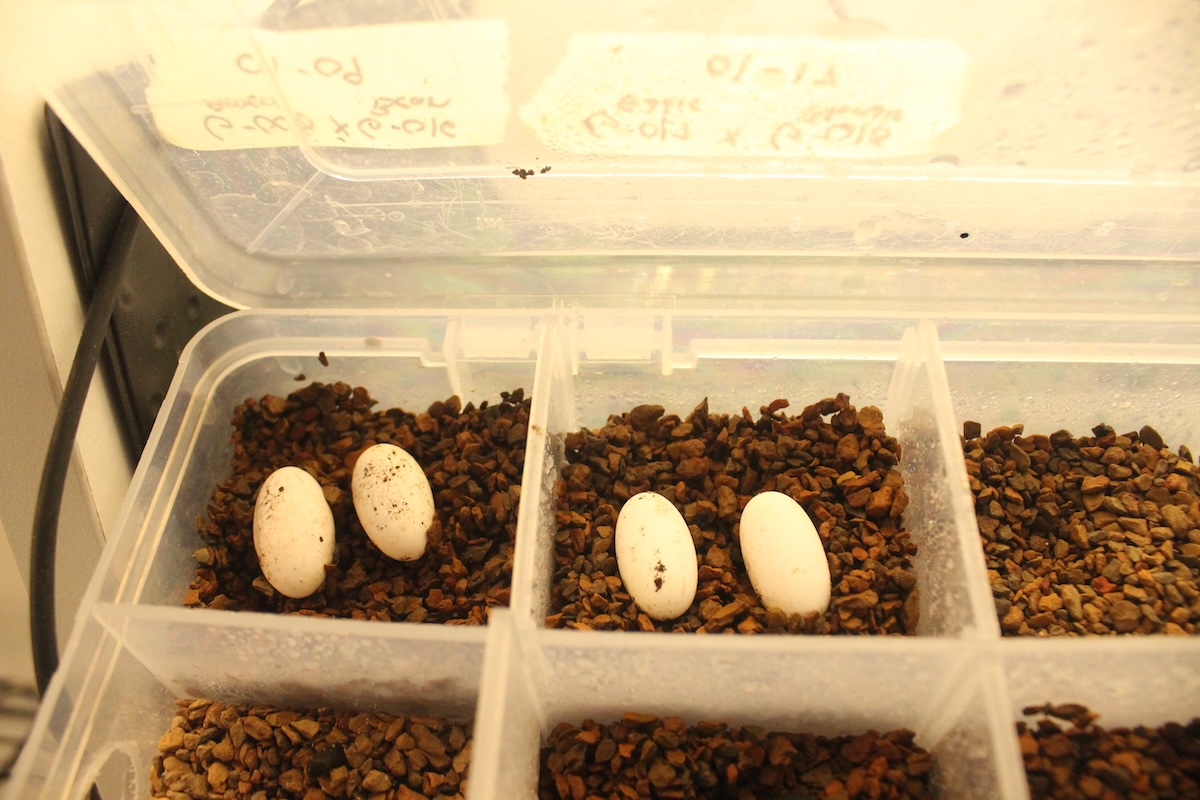
Clutch and hatchling tracking. Clutches are the unit of breeding output. Hatchlings are the unit of evaluation. Both have to be first-class records with the right structural relationship, and the tool has to handle the timing complexity of reptile breeding (multiple clutches per season, sometimes multiple seasons, with different rest and recovery periods by species).
Weight and growth tracking. Hatchling weight curves identify problem animals before they become problem placements. Adult weight tracking confirms breeding condition. Tied to specific dates, comparable to clutch siblings, and ideally pulled into a daily check view that surfaces underweight juveniles automatically.
Photo and document attachments. Photos at multiple ages, attached to the animal record. Health records, vet visits, anything you want to retrieve later. The buyer who asks about an animal three years after placement is a buyer the tool should be able to support without rebuilding the record.
Multi-pair planning view. Plan the season's pairings before the breeding starts. See what each pairing is predicted to produce. Identify holdback candidates. Project output. The breeders who run organized programs do this planning. The tool should support it.
Pedigree certificate generation. Generate a buyer-ready pedigree certificate from the lineage data on demand. Not just a screenshot of cells. A formatted document that a buyer can read and verify.
Sales and waitlist tracking. Tie a hatchling to a buyer, a deposit, and a placement. Connect the breeding output to the income. Most reptile breeders run this in spreadsheets. Most spreadsheets fall apart at scale.
That is the full list. As of 2026, no tool on the market handles all nine equally well, including ReptiDex. The question is which tradeoffs each tool is making, and which tradeoff matches your program.
The Tools That Exist Today
The honest evaluation, organized by category. Within each category, alphabetical.
Generic Spreadsheets (Google Sheets, Excel, Airtable, Notion)
What they handle. Whatever you build into them. Total flexibility. Free or low cost.
Where they fall short. Probabilistic het tracking, morph prediction, multi-generation pedigree visualization, pedigree certificate generation, and growth curve analysis are all things you have to engineer yourself. By the time you have built a workable system in Notion or Airtable, you have invested 40 to 80 hours in setup. The result still does not handle photos, growth curves, or buyer connections cleanly, and any complex morph math gets done in your head or in a separate calculator and pasted back into the document.
Who they work for. Single-pair breeders. Anyone managing fewer than five animals where the spreadsheet model still maps to the data shape. Breeders who already use Notion or Airtable for other work and want to extend it.
Who they do not work for. Anyone with hets to track across generations, anyone working on a polygenic line, anyone running more than five pairs, anyone whose collection has grown past the point where a flat database can capture the relationships between animals.
Reptile-Specific Logging Tools (iHerp, Reptizoo Collection, Various Apps)
This category is where most reptile keepers start because the tools market themselves as reptile software.
What they handle. Weight logs, feeding logs, breeding date logs, basic collection inventory. Reminder systems for husbandry tasks. Useful for daily care tracking and for keepers managing 20 to 100 animals.
Where they fall short. Morph genetics, het probability tracking, multi-generation pedigree, morph prediction. These tools do not pretend to solve the breeding-program problem. They solve the husbandry-tracking problem, which is a different problem with different software requirements.
Who they work for. Reptile keepers. Casual breeders who do not need pedigree management. Anyone who needs feeding and weight tracking and is willing to use something else for the breeding program side.
Who they do not work for. Working morph breeders. Anyone tracking lineage across generations. Anyone whose breeding decisions depend on genetic data the husbandry tool does not capture.
Snake-Specific Tools (Snake Tracker, Various Closed-Source Tools)
A small number of tools target ball python and snake breeders specifically. Some are abandoned or in maintenance mode. A few are actively developed.
What they handle. Ball python morph database integration. Basic pedigree tracking for snakes. Some include morph calculators specific to ball python, boa, or carpet python morphs.
Where they fall short. Most are single-developer projects with limited update cycles. Coverage outside ball pythons is uneven. The morph calculators are usually accurate for the most common morphs but break on rare or newer morphs that have not been added to the database. Photo handling is usually weak. Sales and waitlist features are typically nonexistent.
Who they work for. Ball python breeders running a focused program who want a tool that handles the morph math for their specific species.
Who they do not work for. Multi-species programs. Programs working in species outside the tool's coverage. Programs that need photo documentation, sales tracking, or buyer-facing pedigree generation.
Dog-First Breeder Software (BreederCloudPro, BreederBuddy, Some Niche Platforms)
Multi-species support exists in some of these tools. Most adapt to reptiles in a limited way.
What they handle. Litter tracking (adapted to clutches in some cases), buyer management, basic record-keeping, sales tracking. Some include multi-species support that lets you log reptiles alongside dogs.
Where they fall short. None of these have morph genetics built in. None handle het tracking. None integrate a morph calculator. The pedigree views are designed around the dog model and do not map to clutch-based breeding output. The biological model is fundamentally different (dogs produce litters at intervals; reptiles produce clutches across seasons in different patterns), and the tools force the reptile data into the dog template. The result is workable for very basic record-keeping and useless for any breeding decision that depends on genetics.
Who they work for. Breeders running mixed kennels (dogs and reptiles) who want a single tool for high-level record-keeping and are willing to do the reptile-specific genetic tracking on the side. Breeders whose reptile collection is small and not the primary focus of their program.
Who they do not work for. Reptile-only breeders. Multi-species reptile programs. Anyone who needs the tool to actually understand morph genetics or breed-specific reproductive timing.
MorphMarket Inventory and Sales Tools
MorphMarket is the largest reptile breeder marketplace and they offer some inventory and sales tools alongside their listings.
What they handle. Animal listings with morph breakdown, basic photo display, integrated marketplace exposure, transaction processing. The morph database is among the most comprehensive in the industry because it draws on years of community-submitted data.
Where they fall short. MorphMarket is a marketplace, not a breeding management tool. The pedigree features are limited. Het probability tracking is basic. There is no morph calculator integrated with your specific collection. Sales tracking is built around the marketplace, not your full buyer pipeline. Animals you do not list on MorphMarket are not tracked at all.
Who they work for. Reptile breeders whose primary sales channel is MorphMarket and who want their inventory and sales workflow connected to the marketplace. The tool is exposure plus transaction handling, not breeding program management.
Who they do not work for. Programs whose sales come primarily from their own website, expos, or direct buyer relationships. Programs that need full breeding decision support. Programs working in species or morphs that MorphMarket's database does not cover well.
ReptiDex
I built ReptiDex because none of the above did what I needed for my own crested gecko program, and the design has expanded to cover other reptile species over the past year. Disclosure noted. The honest review of my own tool follows.
What it handles. Multi-generation pedigree tracking with phenotype and genotype tracked separately. Probabilistic het handling that updates with offspring data. Morph prediction (currently strongest for crested geckos, with ball python and leopard gecko coverage developing). Clutch and hatchling tracking with the correct structural relationship between the two. Weight logging with buyer-facing growth curves. Photo attachments at multiple ages. Pedigree certificate generation. Multi-pair planning view. QR code generation for individual animal records. Buyer-facing public profiles for animals being placed. iOS and web access.
Where it falls short. Sales and waitlist features are basic compared to what a dedicated breeder sales platform would offer (the Built By Dusty Breeder Sales Platform handles that side for breeders who need it). Morph calculator coverage is strongest for crested geckos and improving but uneven for some snake morphs and lizard species. Multi-keeper accounts are limited. Bulk operations on large collections (200+ animals) are usable but not as fast as some dedicated database tools.
Who it works for. Crested gecko breeders working with morphs and hets. Leopard gecko breeders needing pedigree and morph tracking. Ball python breeders wanting to combine morph math with photo and weight tracking in one tool. Boa, blood python, and carpet python breeders wanting structured pedigree tracking with morph support. Reptile breeders generally who want the tool to do the genetic math instead of doing it themselves. Free to try; subscription model for the deeper features.
Who it does not work for. Husbandry-focused keepers whose primary need is feeding and weight logs without breeding management (use a husbandry app). Programs running primarily on MorphMarket who want everything tied to that marketplace specifically (use MorphMarket's tools alongside ReptiDex if needed). Programs with a strong existing workflow in Airtable or Notion who do not want to migrate.
Species-Specific Recommendations
The right tool depends partly on what you are breeding. The honest recommendations by species.
Ball pythons. Ball python morph genetics are well-documented and the morph database in MorphMarket is comprehensive. The right setup for most ball python programs is MorphMarket for sales and exposure plus a dedicated breeding tool for pedigree, het tracking, and clutch records. ReptiDex covers the breeding side. Spreadsheets work at the smallest scale; ReptiDex or a dedicated ball python tool become necessary as the collection grows past 15 to 20 breeding animals.
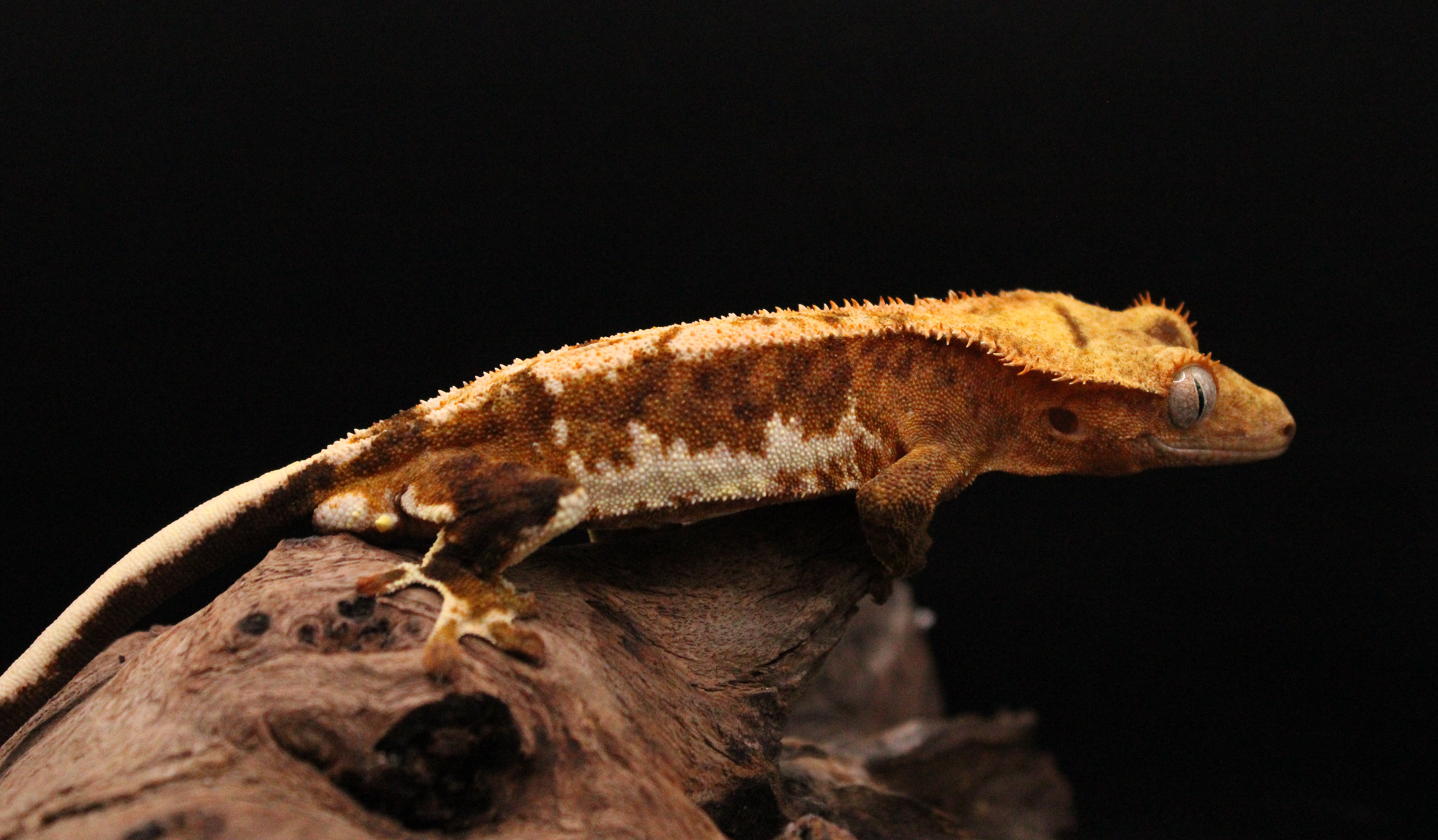
Crested geckos. The crested gecko-specific software review covers this in detail. Short version: ReptiDex was built for this case. The other options either do not handle the polygenic line breeding that crested gecko programs depend on, or they handle dogs and bolt on a partial crested gecko fit. The dedicated tool is the right choice for any crested gecko program with hets to track or holdbacks to evaluate.
Leopard geckos. Similar to crested geckos in that the genetics are partly recessive (Mack snow, eclipse, blizzard) and partly polygenic (line traits like tangerine, super hypo). ReptiDex coverage is strong. Spreadsheets work at the smallest scale. Husbandry apps do not handle the breeding side.
Boa constrictors and other boas. The morph genetics are well-defined and the breeding world is smaller than ball pythons. ReptiDex coverage is improving. MorphMarket has good morph database support. Most working boa programs run a combination similar to ball python programs.
Blood pythons, carpet pythons, and similar python species. Smaller communities, fewer dedicated tools. ReptiDex pedigree tracking works regardless of species; morph calculator coverage depends on which morphs the species has. Most working programs run ReptiDex for pedigree and a separate calculator or community resource for morph math.
Monitor lizards, tegus, and exotic lizards. Genetics in most monitor and tegu programs are not the primary breeding focus (most are wild-type or limited morph variation), so the husbandry tracking and photo documentation matter more than morph calculators. ReptiDex covers the photo and pedigree side. Husbandry apps cover the daily care side.
Chameleons, dart frogs, and exotic amphibians. Limited dedicated tooling. Most working programs run on spreadsheets or general-purpose databases. The category is small enough that dedicated tools are still emerging. ReptiDex handles pedigree and photo tracking generically; specific morph or color tracking depends on the species.
How to Decide
The decision tree, simplified.
If you have one or two pairs and no hets to track, a spreadsheet is fine. Do not over-engineer the tooling. Spend the time on the breeding side, not the software side.
If you are running 5 or more pairs, working with morphs and hets, and tracking lineage, the spreadsheet has already failed you and you know it. The question is what to replace it with. ReptiDex is the option I built for this case across multiple reptile species. Reptile-specific logging tools do not handle breeding programs. Dog-first software does not handle reptile genetics.
If you are a husbandry-focused keeper who does occasional breeding, a feeding and weight log app like iHerp is enough for the daily care side, with a spreadsheet or simple notes for the occasional breeding records.
If you are running a multi-species program (dogs and reptiles, or multiple reptile species), the dog software handles the dog side, ReptiDex handles the reptile side, and you accept that you need two tools because the underlying biology and breeding patterns are too different to fit in one tool. The pairing of BreederCloudPro for dogs and ReptiDex for reptiles is what I see most often in this case.
If your sales workflow runs primarily through MorphMarket, integrate MorphMarket's inventory tools with whatever breeding management tool you use. MorphMarket is the discovery and transaction layer, not the breeding management layer.
Try the One I Built
ReptiDex is free to try. If your collection has crossed the line where the spreadsheet is failing you, that is the moment the tool earns its keep.
The broader category review for crested geckos specifically is in the crested gecko pedigree tracking post and the gecko software review. The free crested gecko morph calculator handles the prediction math without an account.
If you are running a serious reptile program at any scale and you are still managing pedigree, morph math, and clutch records across three different documents, the operational side of that problem is what ReptiDex is built for. Built by a working breeder. Used by real programs across multiple species.