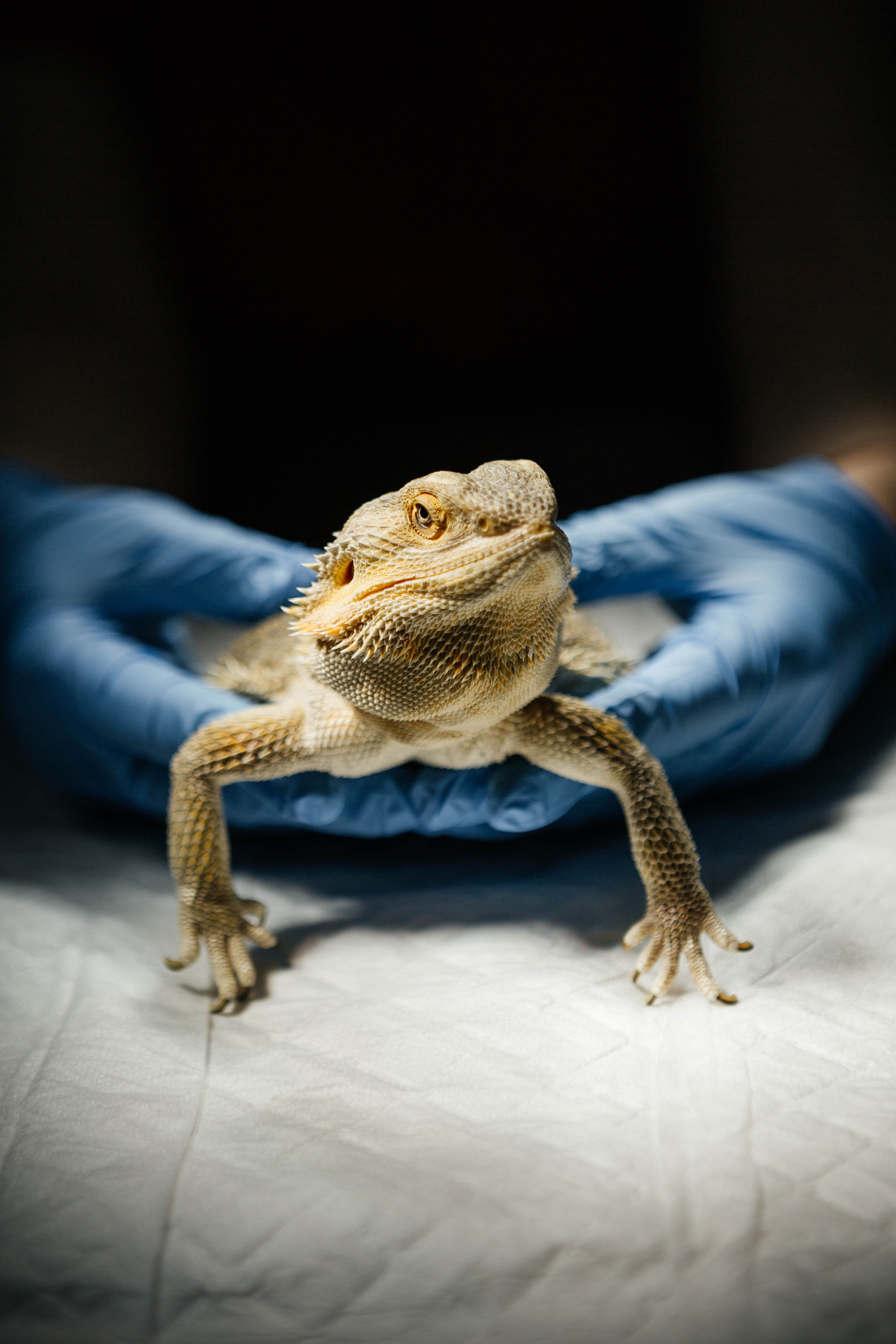
A reptile sale contract is not a dog contract with the word "puppy" replaced by "gecko." The animals are different. The risks are different. The clauses you actually need are different.
I have run both sides of this. Dog program for years. Reptile collection for almost as long. The contracts I use for each are about 60 percent the same and 40 percent different, and the 40 percent is where the disputes happen.
If you are searching for a reptile breeder contract template, this post covers the 40 percent that dog templates leave out. The full editable version is in the kit at the bottom.
001 / What carries over from dog contracts
The same 8 sections from the breeder contract template post apply to reptiles. Buyer identification. The animal in detail. Payment terms. Health guarantee. Return and rehoming. Breeding rights. Co-ownership if any. Dispute resolution.
The structure does not change. The content inside each section changes hard.
What stays the same: the legal scaffolding. State law, jurisdiction, mediation, fee shifting. None of that depends on whether the animal has fur or scales.
What changes: the animal description, the health guarantee, the shipping language, and a whole section on morph and het disclosure that does not exist in any dog contract.
002 / The animal in detail (reptile version)
Dog contracts describe a puppy by breed, color, sex, DOB, microchip, and registration. A reptile description needs more.
What a reptile section must include:
- Species and locality. Crested Gecko, mainland. Ball Python, no specific locality. African Fat-Tailed Gecko, Ghana locality. The locality matters when the buyer is breeding into an established line.
- Morph combination. Spelled out. Not "fancy het." Not "fire something." "Lilly White het Axanthic" or "Pinstripe Harlequin, Dalmatian (low spot count)." Be specific. The morph is the price.
- Het status. Visual, proven, possible (with percent), or assumed. "Het Axanthic 66%" is a different animal and a different price than "Het Axanthic proven by previous breeding to known visual Axanthic produced August 2024." Both are real. Both belong in the contract.
- Hatch date. Day, month, year. Not "summer 2024."
- Weight at sale. With the date weighed. Reptile weights move fast in the first 6 months.
- Sex or unsexed. "Unsexed at sale, popped negative for hemipenes on [date]" is honest and protects both parties. "Sold as male" without a probe or pop date is a future dispute.
If your current contract template handles dog sales fine, take the dog section and replace the breed/color/markings block with the species/morph/het block above. The rest of the section's legal language stays.
003 / The health guarantee, reptile version
Dog health guarantees focus on congenital conditions, hip and elbow scores, and eye conditions, usually with a 2-year window.
Reptile health guarantees focus on a different list. Live arrival. 7-day acclimation. Feeding response. Visible defects. The window is much shorter, typically 7 to 14 days, because most genetic and developmental issues show up within that window or never.
What a reptile health guarantee should cover:
- Live arrival guarantee. Covered separately in the live arrival guarantees post. For reptiles specifically, the buyer must take photos and notify the breeder within 2 hours of delivery for any DOA claim to be valid.
- 48-hour visible-defect window. Buyer inspects the animal within 48 hours of arrival, reports any visible defects (missing toes, kinked spine, blind eye, parasites) with photos. After 48 hours, the inspection window closes.
- 7-day feeding response window. For animals sold as established feeders, the breeder guarantees feeding response within 7 days. If the animal refuses food and the buyer's setup matches the breeder's care sheet, the breeder offers a refund or replacement. Setup proof (temperature readings, photos) is on the buyer.
- Husbandry exclusion. Health guarantee voids if the buyer's husbandry falls outside the parameters in the care sheet. Temperature, humidity, substrate, enclosure size, hide availability. Most reptile health "failures" are husbandry. The contract names the difference.
A dog health guarantee that promises 2 years of genetic coverage does not work for a reptile. Reptiles do not have a "hip dysplasia" equivalent. A reptile that survives the first 30 days has cleared the highest-risk window.
004 / Shipping and temperature windows
Most reptiles ship. Most dog buyers drive. This is a whole section dog contracts do not have.
What a reptile shipping section needs:
- Acceptable temperature window. "Animal will ship via FedEx Priority Overnight on a Tuesday or Wednesday only, with forecast temperatures between 40 and 90 degrees Fahrenheit at origin and destination, with required hold-for-pickup at the destination facility." The temperature range is non-negotiable. The shipping day matters because of weekend hold risk.
- Heat pack or cold pack requirement. Named explicitly. "Heat pack required when forecast destination low is below 60. Cold pack required when forecast destination high is above 85."
- Buyer pickup window. "Animal must be picked up within 4 hours of arrival at destination facility. Failure to pick up within window voids live arrival guarantee."
- Documentation. Photo of the unopened box at the facility, photo of the opened box within 30 minutes, photo of the animal within 2 hours.
The reason all of this matters: live arrival disputes are almost always about who is responsible. The contract that names the conditions removes the ambiguity. The dog contract equivalent (pickup, transport) is much simpler because the buyer is usually physically present.
The full version of this clause is in the live arrival guarantees post, which covers dogs and reptiles, but the reptile version is the one with the temperature windows.
005 / Morph and het disclosure
This section does not exist in dog contracts. It is the most important section in a reptile contract.
The clause: the breeder discloses every het, every assumed het, every morph parent, and the source of any genetic claim. The buyer acknowledges the disclosure and agrees that any unknown genetic outcome from future breeding is not the breeder's responsibility unless the breeder misrepresented a known het.
What this protects against. A buyer purchases an animal sold as "Het Axanthic 50%" based on parentage. The buyer breeds it. The offspring do not produce Axanthics. The buyer wants the breeder to make it right. The contract that disclosed the 50% probability and the parentage source protects the breeder.
What it does not protect against. A breeder sells an animal as "100% Het Axanthic, proven" when the proof does not exist. The clause does not let a breeder lie. It documents what was disclosed and on what basis.
For breeders selling proven hets (animals where the het status has been confirmed by previous breeding), the contract should reference the proof. "Het Axanthic, proven by [year] breeding to [name of visual animal], confirmed [number] visual Axanthic offspring."
For breeders selling possible hets, the contract should state the math. "Possible Het Axanthic, 50% probability based on Axanthic grandparent." Buyer signs acknowledging the probability is not a guarantee.
This is the clause most templates online skip. It is the clause that prevents the most disputes.
006 / Pricing and deposit handling for reptiles
The deposit structure is similar to dogs with one adjustment.
Reptile deposits typically run 25 to 50 percent of the sale price, due at hold. The balance is due before shipping (not at delivery), because the animal will not ship without payment cleared.
The clauses to include:
- Deposit amount and the queue position it secures.
- Non-refundable except in named cases (breeder cancels, animal does not survive to ship-ready age).
- Balance due timeline. "Balance due within 7 days of shipping date being set, or hold is released."
- Held animal grow-out window. "Breeder will hold the animal until [date] at no charge. After that date, a feeding and housing fee of $X/week applies, or the deposit is forfeited if buyer cannot accept the animal."
The grow-out window is unique to reptiles. Buyers often buy a 4 gram hatchling and want to wait until it is 12 grams. That is a 6 to 12 week hold. The contract has to handle that.
007 / What stays the same and what changes, side by side
| Section | Dog contract | Reptile contract |
|---|---|---|
| Buyer ID | Same | Same |
| Animal description | Breed, color, DOB, microchip | Species, locality, morph, het, hatch date, weight, sex (or unsexed with pop date) |
| Health guarantee | 2 years, congenital focus | 7 to 14 days, live arrival + feeding response |
| Return/rehoming | Same right of first refusal | Same right of first refusal |
| Breeding rights | Full vs limited, AKC registration | Het disclosure, morph parent disclosure |
| Shipping | Rarely applies | Full section with temp windows, heat packs, pickup window |
| Co-ownership | Standard | Rare, but possible for high-end breeding projects |
| Dispute resolution | Same | Same |
About 60 percent overlap. About 40 percent different. The reptile-specific 40 percent is what the template kit covers separately.
008 / Where to get the template
The Breeder Contract Kit, $59, currently includes a reptile addendum with the shipping, health guarantee, and morph disclosure language above. A standalone Reptile Kit at $49 is in the works and will include the full standalone reptile contract, a reptile-specific deposit agreement, and a care sheet template.
If you only breed reptiles, watch for the standalone kit. If you breed dogs and reptiles, the bundle covers both.
In the meantime, the contract kit's reptile addendum gets you everything in this post in editable .docx form. Combine it with the crested gecko pedigree tracking workflow and the free morph calculator and you have the documentation side of a reptile program covered.
Dusty Mumphrey runs an East Texas breeding program (dogs and reptiles) and built Breed Ledger because nothing on the market did what his own program needed. He writes field notes on contracts, software, and the part of breeding that happens at the kitchen table.